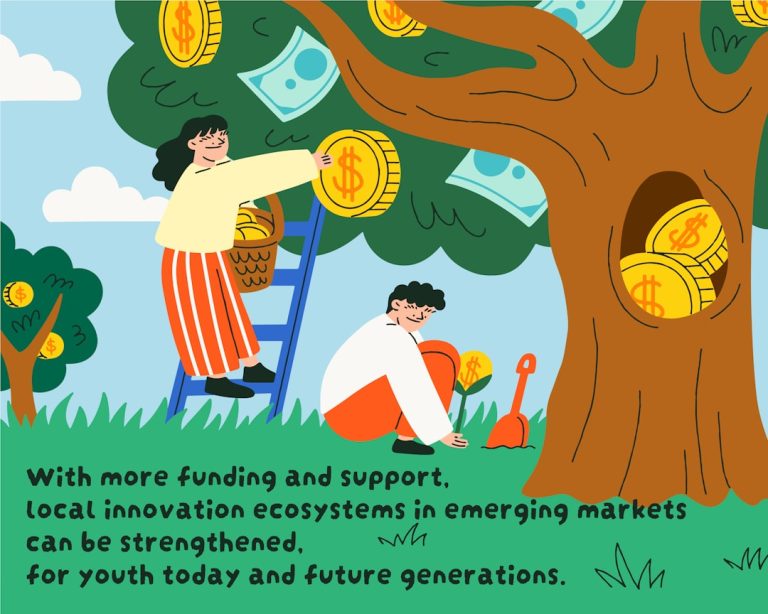
Investment Facilitation UK: Bridging the Funding Divide
Early-stage fundraising can feel like finding a needle in a haystack. Startups need capital, investors want security and perks. That’s where investment facilitation UK steps in. Whether you’re exploring deep-pocketed private equity co-investments or tax-smart SEIS/EIS crowdfunding, you need clarity. This article cuts through the noise.
We’ll compare specialist private equity routes with crowdfunding platforms, weigh the pros and cons, and show why a tailored, commission-free marketplace can streamline your journey. Ready for honest insights? Discover investment facilitation UK with our commission-free platform
Understanding Private Equity Facilitation: Deep Dives and Co-Investments
Private equity facilitation tends to target established investors. It’s about co-investing alongside a seasoned PE manager in a single business acquisition. Think of it as joining forces with veterans who have already spotted the deal.
Here’s how it usually works in the UK market:
• A specialist firm sources and vets an acquisition (enterprise value often under £300 million).
• Clients who meet minimum assets and sophistication thresholds are “opted up” and invited to participate.
• Investors commit capital to one or a handful of deals each year.
• The time horizon sits around five years, sometimes more.
This route offers tight control and customised due diligence. You’re partnering with experts—like those at Penta Capital LLP—who know which sectors (healthcare, business services, fintech) have growth potential. But let’s be honest: the barrier to entry is high. You’ll need a sizeable portfolio (often £500,000+ under management). And liquidity? Expect none. It’s a long-term play, not a quick flip.
SEIS and EIS Platforms: Crowdfunding Meets Tax Relief
On the flip side, the UK’s SEIS (Seed Enterprise Investment Scheme) and EIS (Enterprise Investment Scheme) platforms democratise early funding. They pool tax-savvy investors to back startups and small businesses.
Key perks:
• Up to 50% income tax relief under SEIS, 30% under EIS.
• No capital gains tax on profits if held for the minimum term.
• Loss relief if a company fails.
Popular players include Seedrs and Crowdcube. They offer diverse deals, community vibes, and smaller minimum checks (often £10–£25). You’ll also find niche platforms like InvestingZone, Crowd for Angels, and SyndicateRoom. Each provides:
- A curated deal flow.
- Compliance tools and investor education.
- Varying fee structures (some charge success fees, others platform fees).
However, fees can eat into gains. And open listings mean varying quality. You might back a promising fintech startup, but you might also end up with a less examined concept. Due diligence often sits on your shoulders.
Around the halfway point it helps to pause and consider: what matters more to you—deep diligence with limited deals, or broad choice with tax relief? See how investment facilitation UK can simplify your choices
Key Differences: Control, Due Diligence, Tax Benefits and Liquidity
When you compare private equity facilitation with SEIS/EIS crowdfunding, the contrasts stand out:
-
Eligibility and Investor Profile
• PE co-investment demands a strong asset base and sophistication.
• SEIS/EIS welcomes most retail investors (subject to scheme rules). -
Due Diligence Intensity
• PE involves specialist managers, legal teams and detailed financial modelling.
• Crowdfunding platforms vet companies but rely on summary materials and disclosures. -
Commitment and Liquidity
• PE commitments lock you in for five to ten years, with one or multiple capital calls.
• SEIS/EIS investments need a three-year hold for relief, but exit pathways depend on secondary markets. -
Tax Reliefs
• SEIS/EIS shines here. You get upfront income tax relief and CGT exemptions.
• Private equity deals offer no direct tax breaks, beyond standard capital gains allowances. -
Fees and Costs
• PE facilitation is typically commission-free after initial portfolio requirements—yet you may pay platform subscriptions.
• Crowdfunding platforms often levy success fees (up to 7.5%) plus ongoing admin charges.
Why Oriel IPO Stands Out for SEIS/EIS and Beyond
If these options feel like extremes, meet a middle path. Oriel IPO is a UK-based marketplace designed to bring the best of both worlds. Here’s how:
• Commission-free subscription model – startups keep more capital, investors avoid hefty success fees.
• Curated SEIS/EIS opportunities – each deal is carefully vetted to meet government criteria.
• Educational resources – guides, webinars and expert insights that demystify SEIS/EIS.
• Direct access to angel investors – no middlemen advising or selling you products.
In short, Oriel IPO gives you structured, tax-efficient investment routes without the pain of over-priced fees or endless paperwork. You get quality deals, clear guidance and a supportive community—whether you’re raising funds or backing innovation.
What Real Users Are Saying
“Joining Oriel IPO transformed our fundraising. The curated deal flow meant we spent less time pitching and more time building. The commission-free model was a game saver.”
— Emma Hughes, Founder of TechHealth UK
“Finally, a platform that values transparency. The educational resources helped me navigate SEIS relief easily, and I feel confident in each investment.”
— David Patel, Early-stage Investor
“I used to worry about hidden fees. With Oriel IPO’s subscription approach, I know exactly what I pay, and the quality of opportunities is top-notch.”
— Olivia Green, Angel Investor
As you map out your funding strategy, ask yourself: do you need bespoke, long-term co-investments or flexible, tax-efficient crowdfunding? Or could a hybrid approach reignite your growth?
Ready to make your move? Kickstart your investment facilitation UK journey today