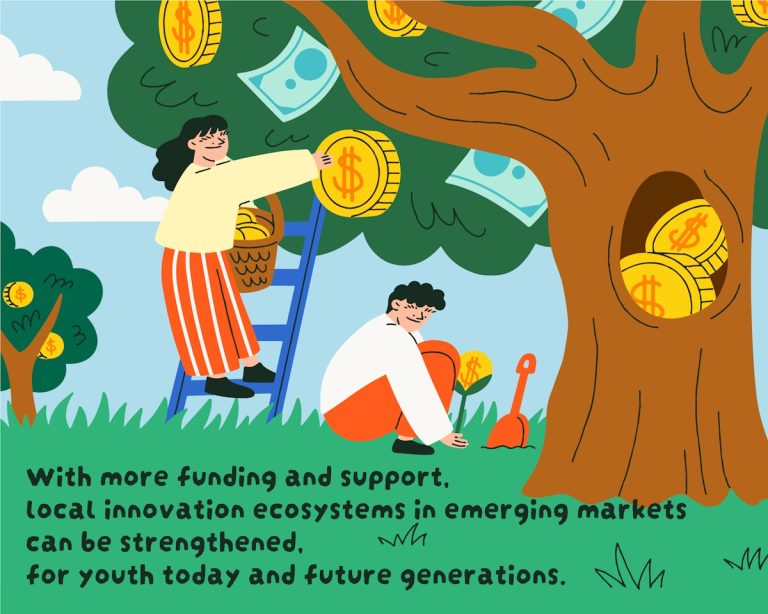
UK startup grants offer early-stage founders non-repayable, equity-free cash injections from public bodies such as Innovate UK, local enterprise authorities, and devolved administrations. While highly competitive and rarely covering 100% of project costs, these non-dilutive funds help British entrepreneurs de-risk research, validate prototypes, and accelerate commercialisation without surrendering equity.
The Reality of Funding: How to Secure UK Startup Grants Today
Securing UK startup grants requires looking past the myth of effortless free cash. Many founders believe the UK government hands out blank cheques to anyone with a Companies House registration number. The actual landscape is far more rigorous, structured, and competitive. Public bodies disburse funds with strict mandates to stimulate regional economies, foster scientific breakthroughs, or solve acute environmental problems. Understanding how grant bodies evaluate applications, manage staged drawdowns, and audit expenditure separates successful founders from the thousands whose submissions get rejected at the initial screening stage.
At the same time, relying entirely on government funding can stall your commercial momentum. Most national grants demand matched funding, deliver payouts in arrears, and exclude routine operational expenses like marketing or founder salaries. Smart founders build a balanced capital structure early. By combining non-dilutive awards with tax-advantaged private capital, you keep your runway long and your ownership intact. If you want to prepare your business for private investors while exploring public grants, you can Raise startup investment through transparent, equity-friendly routes that match your growth stage.
What Exactly Are UK Startup Grants?
A grant is a financial award given to a business by a government department, regional council, or charitable trust for a specific project. Unlike commercial loans or overdrafts, you do not pay the money back. Unlike venture capital or angel investment, you do not hand over shares or voting control.
However, grants come with strings attached. Understanding these four core mechanics will save you hundreds of wasted hours:
- Matched funding requirements: Most grant providers do not fund 100% of a project. A competition might offer a 70% grant rate, meaning if your research project costs £100,000, the grant awards £70,000. Your startup must fund the remaining £30,000 from cash reserves, angel investment, or commercial revenue.
- Payment in arrears: Grant bodies rarely wire a lump sum upfront. Instead, you incur eligible project costs, pay your contractors or payroll, submit verified invoices, and claim the grant reimbursement quarterly.
- Ring-fenced eligible expenditure: You cannot spend grant money on generic overheads, old debts, or standard sales campaigns. Grant contracts specify eligible costs down to the penny, usually focusing on direct labour, materials, subcontracts, and intellectual property protection.
- Compliance and auditing: Winning an award triggers detailed reporting milestones. If your project veers off course, or if you fail an independent financial audit, public bodies reserve the legal right to claw back disbursed capital.
Top National UK Startup Grants and Programmes
When founders search for non-repayable business capital, national schemes provide the highest headline figures. Here are the primary UK programmes actively supporting innovation and enterprise.
Innovate UK Smart Grants
Innovate UK operates under UK Research and Innovation (UKRI), distributing substantial awards to game-changing technological and scientific developments. Their flagship Smart Grant scheme backs game-changing R&D projects with significant commercial potential across any sector.
- Award sizes: Typically between £25,000 and £2 million depending on project duration and whether you apply as a single entity or a consortium.
- Grant intensity: Small businesses usually receive between 60% and 70% of their eligible research costs.
- Ideal applicants: Startups working on genuine technical innovation rather than off-the-shelf software or standard digital agencies.
The Prince’s Trust Enterprise Programme
If you are an entrepreneur aged 18 to 30 based in England, Scotland, Wales, or Northern Ireland, The Prince’s Trust provides enterprise support alongside modest grants.
- Grant sizes: Small seed awards up to £5,000 to help test concepts, buy essential equipment, or register trade marks.
- Additional support: One-to-one business mentoring, workshops on financial planning, and guidance on business plans.
- Eligibility: Unemployed or underemployed young people with viable enterprise concepts.
Horizon Europe and International Innovation Competitions
Following the UK’s association to Horizon Europe, UK-based startups and research institutions can access European research funding streams directly. These multi-million-pound grants target collaborative projects across green transition, industrial digitalisation, and life sciences.
Research & Development (R&D) Tax Relief
While technically a tax incentive rather than an upfront competition, HMRC’s R&D tax relief functions like a non-repayable grant for eligible tech businesses. If your startup invests capital into overcoming scientific or technological uncertainties, you can claim payable cash credits against qualifying expenditure. For loss-making early-stage companies, this cash injection often provides critical operational runway during development cycles.
Regional Grant Opportunities Across England, Scotland, Wales, and Northern Ireland
National grants tend to focus strictly on radical technological breakthroughs. If your startup is a regional retail venture, local manufacturing facility, or service provider, local authority schemes offer higher success rates.
| Region / Body | Primary Funding Focus | Typical Award Range | Key Eligibility Criterion |
|---|---|---|---|
| English Local Authorities | Local growth, carbon reduction, commercial leases | £1,000 – £25,000 | Business registered within the specific council district |
| Scottish Enterprise / HIE | High-growth export, clean technology, job creation | £5,000 – £100,000+ | Operations based in Scotland with clear scaling roadmaps |
| Business Wales | Capital investment, digital transformation, green transition | £2,500 – £50,000 | Trading in Wales with matched funding commitments |
| Invest Northern Ireland | Innovation Vouchers, technical feasibility, product development | Up to £5,000 (Voucher) | Collaboration with verified knowledge providers |
England: Local Authorities and Growth Hubs
Following the formal integration of Local Enterprise Partnership (LEP) functions into local authorities in April 2024, business grants in England are managed directly by regional councils, Mayoral Combined Authorities, and local Growth Hubs. These bodies distribute capital from the UK Shared Prosperity Fund (UKSPF). Grants commonly focus on:
- Small capital grants for workshop tools, clean manufacturing machinery, and IT hardware.
- Energy efficiency grants supporting solar panel installations, insulation, and heat pumps.
- Digital transformation vouchers for modernising e-commerce setups and inventory systems.
Scotland: Scottish Enterprise and Highlands & Islands
Scottish founders access robust support networks through Scottish Enterprise, Highlands and Islands Enterprise (HIE), and South of Scotland Enterprise. Schemes like the SMART: SCOTLAND grant support feasibility studies and technical development for high-growth firms planning to export goods or services.
Wales: Development Bank of Wales and Business Wales
Business Wales connects startups with regional council grants, while the Development Bank of Wales provides seed micro-loans and blended finance packages. The Business Wales Finance Locator serves as an accessible directory for regional enterprise grants across Welsh counties.
Northern Ireland: Invest NI Innovation Vouchers
Invest Northern Ireland offers popular Innovation Vouchers worth up to £5,000. These vouchers allow small businesses to buy expert technical support from universities, colleges, and publicly funded research bodies across Northern Ireland and the Republic of Ireland.
Sector-Specific UK Startup Grants: Where Does the Money Flow?
Public capital flows towards strategic national priorities. If your business model aligns with one of the following priority areas, your application benefits from higher budget allocations and dedicated competitions.
1. Clean Technology and Net Zero
The Department for Energy Security and Net Zero funds projects reducing carbon output, enhancing battery storage, improving domestic energy efficiency, and decentralising grid networks. Grants in this space often cover higher proportions of total project expenditure.
2. DeepTech, Artificial Intelligence, and Advanced Computing
The UK government places strong emphasis on maintaining leadership in artificial intelligence, quantum computing, and semiconductor development. Competitions through Innovate UK and the Department for Science, Innovation and Technology (DSIT) regularly offer non-dilutive awards for novel algorithmic research and data engineering.
3. Life Sciences and HealthTech
The Biomedical Catalyst and the National Institute for Health and Care Research (NIHR) deliver dedicated funding pipelines for medical devices, diagnostic platforms, and digital therapeutics. These grants demand rigorous evidence, clinical trial roadmaps, and clear NHS adoption pathways.
4. Creative and Cultural Industries
The Arts Council England, Creative UK, and the National Lottery Heritage Fund provide targeted funding for digital production, heritage preservation, creative tech, and independent media productions.
How to Write a Winning Grant Application
Winning a competitive grant requires treating the application like an investor presentation. Assessors read dozens of submissions over short periods; clarity, precision, and evidence win marks, while hand-waving claims lose them.
Prove Technical Innovation and Novelty
Grant bodies do not fund standard business activities. If you are building a standard mobile app, buying regular inventory, or opening an ordinary consulting firm, your application will fail technical criteria. Clearly answer these questions:
- What technical or scientific uncertainty are you trying to resolve?
- Why does existing commercial off-the-shelf software fail to solve this problem?
- What novel methodology or proprietary intellectual property will you create?
Validate Commercial Viability and Market Demand
A great laboratory idea without paying customers is not a sustainable business. Assessors want proof that the grant award will eventually lead to commercial revenue, tax contributions, and job creation. Provide letters of intent, pilot trial results, survey responses, and detailed market size estimates.
Build an Airtight, Defensible Budget
Do not round numbers to the nearest ten thousand pounds. Assessors easily spot artificial budgets. Break down costs by:
- Specific employee hours and day rates based on real market payroll data.
- Named subcontractors with attached formal quotes.
- Itemised consumable materials and software subscriptions.
- Direct depreciation on specialised research equipment.
Address Risk and Project Governance
Unrealistic optimism signals amateur execution. Identify three to five major risks (technical failure, supply chain delays, key personnel loss, regulatory hurdles) and document concrete mitigation plans for each.
The Real Downside of Relying Solely on Grants
While UK startup grants are non-dilutive and risk-free on paper, building your entire funding strategy around them carries operational hazards:
- Long decision timelines: From competition deadline to independent assessment, panel interview, and initial drawdown, six to nine months can easily elapse. Startups with tight cash runways cannot wait three quarters just to learn their application missed the cut-off by two marks.
- Bureaucratic friction: The administrative burden of tracking eligible hours, running audited balance sheets, and clearing compliance hurdles consumes valuable founder attention that should be spent acquiring paying customers.
- Project scope limitations: Grant rules lock you into the exact work packages submitted in your proposal. If customer feedback tells you to pivot halfway through, altering your project scope requires formal amendment approvals from your grant monitoring officer.
When grants fall short or take too long, founders turn to complementary capital strategies. Connecting with investors who understand early-stage tech enables you to raise matching capital rapidly. You can Discover startup opportunities and observe how experienced founders position their businesses for equity investment alongside non-dilutive grants.
The Strongest Alternative: Government-Backed Equity via SEIS and EIS
If your startup needs rapid capital without rigid project restrictions, equity investment under the UK’s Seed Enterprise Investment Scheme (SEIS) and Enterprise Investment Scheme (EIS) offers the premier route. Instead of granting public cash directly, the UK government incentivises private angel investors to fund your business by offering them massive personal tax reliefs.
How SEIS De-Risks Private Investment
Under SEIS, early-stage UK companies can raise up to £250,000 in qualifying investment. The scheme offers exceptional advantages to UK tax-paying angel investors:
- 50% Income Tax relief: An investor contributing £20,000 reduces their personal income tax bill by £10,000 for that tax year.
- Capital Gains Tax (CGT) exemption: Any profits made when selling the shares after three years are 100% tax-free.
- Loss relief: If the startup fails, the investor can write off the remaining net loss against their income tax, cushioning their downside risk to roughly 13.5 pence per pound invested.
Founders who understand this mechanism find it significantly easier to close angel rounds. You can Learn about SEIS and see how simple structuring makes your seed round irresistible to angel investors.
How EIS Helps You Scale Beyond the Seed Stage
Once your business matures past the £250,000 SEIS threshold, EIS steps in to support larger rounds, allowing qualifying businesses to raise up to £5 million per year (and up to £12 million across the company’s lifetime):
- 30% Income Tax relief: Investors receive substantial relief on their personal tax liabilities.
- Capital Gains deferral: Investors can defer capital gains tax liabilities by reinvesting profits into qualifying EIS shares.
- Inheritance Tax relief: Shares held for at least two years qualify for Business Relief, exempting them from inheritance tax.
By obtaining Advance Assurance from HMRC for SEIS and EIS, you provide investors with official confirmation that their capital qualifies for these reliefs. You can Explore EIS opportunities to understand how mid-stage scaling rounds are assembled.
Comparing Grants, SEIS/EIS, Loans, and Venture Capital
To build a resilient fundraising roadmap, review how the major UK funding instruments compare across key operational variables:
| Funding Route | Dilution / Equity Given | Speed of Access | Repayment / Cost | Best Used For |
|---|---|---|---|---|
| UK Startup Grants | 0% (Non-dilutive) | Slow (4–9 months) | 0% (Matched capital required) | Experimental R&D, proof-of-concept, technical feasibility studies |
| SEIS Investment | 5% – 20% ordinary shares | Fast to medium (1–3 months) | None (Tax relief directly to angels) | Initial product build, early marketing, founder salaries, seed runway |
| EIS Investment | 10% – 25% ordinary shares | Medium (2–4 months) | None (Tax relief directly to angels) | Scaling sales teams, domestic and international expansion, commercial operations |
| British Business Bank Start Up Loans | 0% (Non-dilutive) | Fast (2–6 weeks) | Fixed 6% interest over 1–5 years | Routine capital expenditure, shop fittings, initial working capital |
| Venture Capital (VC) | 15% – 30% preferred shares | Slow to medium (3–6 months) | High governance / Board seat demands | Rapid, hyper-growth commercial scaling in massive addressable markets |
Step-by-Step Checklist for Launching Your Funding Campaign
Whether you decide to submit applications for public grants, raise private capital, or blend both, following this methodical process preserves your operational momentum.
Step 1: Secure Your Foundation at Companies House
Ensure your corporate structure is clean. File your confirmation statements on time, keep your registers of people with significant control (PSC) updated, and establish a clear share capital structure with ordinary shares.
Step 2: Apply for HMRC Advance Assurance
Before spending money on paid grant writers or pitching private angel syndicates, submit your SEIS/EIS Advance Assurance application to HMRC. Holding an official Advance Assurance letter gives angel investors absolute confidence that their capital unlocks generous tax reliefs.
Step 3: Run a Regional Grant Audit
Check your local council and Mayoral Combined Authority web portals. Look up the specific UKSPF programmes available in your postcode. Small local authority grants have far less competition than national Innovate UK contests and provide useful wins for buying hardware or upgrading commercial premises.
Step 4: Map Project Milestones for Grant Submissions
If you qualify for national R&D schemes, frame your project proposal strictly around technical hurdles. Establish clear, measurable work packages, separate labour from external subcontracts, and line up letters of commercial support from prospective enterprise clients.
Step 5: Leverage Tax Saving Investments and Investor Marketplaces
Modern fundraising bypasses old-school intermediaries who take predatory success fees. Connecting with motivated angels directly through an open investment community lets you keep control over your funding journey. If you need clarity on your investment terms or tax structuring, tap into structured Educational Tools designed to help founders and financial advisers navigate the fundraising landscape smoothly.
Practical Insights: Avoiding Common Mistakes
Every year, hundreds of promising British startups run out of runway while waiting for funding outcomes. Avoid these three common missteps:
- Writing for academics instead of commercial evaluators: Grant reviewers assess whether your business will survive in the open market. Do not drown your proposal in academic jargon while omitting customer acquisition strategies, unit economics, and route-to-market channels.
- Over-promising on matched funding: Claiming you can supply £50,000 in matched funding when your startup bank account holds £2,000 will derail your award during the due diligence verification phase. Always secure your private match first.
- Ignoring intellectual property protection: If you are applying for public innovation awards, establish clear IP ownership. If key code or designs belong to external contractors who have not formally assigned their IP to your limited company, your grant application will fail the governance review.
Take Control of Your Startup Funding Journey
Navigating the world of UK startup grants requires balance. While public competitions offer valuable non-dilutive capital for technical innovation, relying on them exclusively leaves your business vulnerable to lengthy processing cycles, matched funding gaps, and bureaucratic hurdles. Combining regional and national grants with tax-advantaged private capital gives you the best of both worlds: early validation, financial runway, and strategic support.
Oriel IPO offers a modern approach to early-stage capital. As an online investment marketplace connecting founders directly with angel investors, the platform operates on a transparent, commission-free model powered by a clear Subscription Model. This ensures you retain 100% of the equity capital you raise. By putting curated opportunities front and centre, the Oriel Investment Marketplace enables founders to showcase their potential while unlocking premier Tax saving investments for private investors under SEIS and EIS rules.
Stop waiting months for uncertain grant announcements to fund your core business operations. Showcase your company to investors who actively seek tax-efficient early-stage opportunities. Explore our flexible Oriel IPO membership plans today to build your funding pipeline and secure the capital your small business needs to scale.