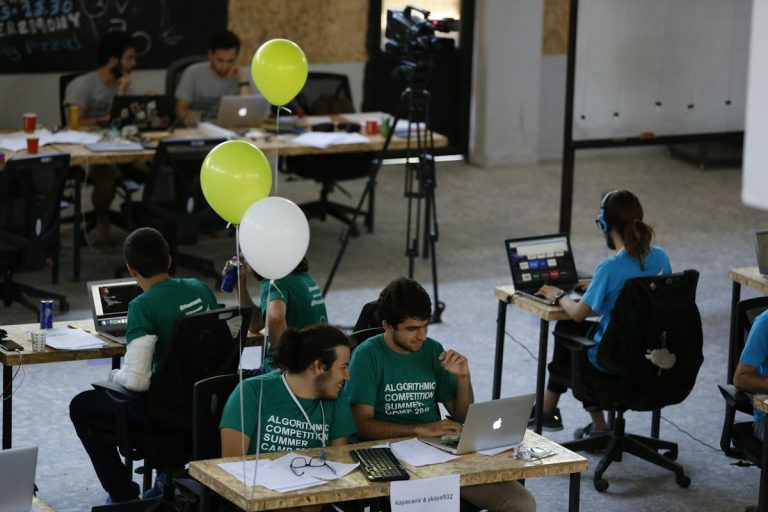
Concept Ventures is the UK’s largest dedicated pre-seed fund, managing a £54 million pool designed to offer first-cheque investments of up to £750,000 to early-stage founders. The fund focuses primarily on startups transforming how we work, play, and learn, serving as a dedicated institutional partner before Series A rounds. For UK founders mapping out their early capital structure, combining institutional venture capital with angel networks and government-backed tax reliefs often forms the strongest foundation for long-term growth.
Unlocking Early Stage Capital: What Concept Ventures Means for UK Startups
Finding that first slice of venture capital can feel like shouting into a void. You have a deck, early metrics, or maybe just a prototype that works on good days. Institutional venture capital frequently ignores founders before they hit recurring revenue milestones. This is precisely where specialized funds enter the picture. Understanding Concept Ventures: The UK’s Largest Pre-Seed Fund Empowering Startups to Innovate gives entrepreneurs a clearer picture of how early institutional support pairs with angel backing. Rather than waiting for proof of market dominance, dedicated pre-seed funds assess core team capability and vision to provide initial launch capital.
Securing backing at this tier is only one component of building a robust funding strategy in the United Kingdom. Many founders match early institutional rounds with angel capital through tax reliefs like the Seed Enterprise Investment Scheme (SEIS) and Enterprise Investment Scheme (EIS). When you prepare your company for external investment, exploring platforms that showcase your pitch directly to private backers makes a huge difference. If you want to build momentum alongside institutional conversations, you can Raise startup investment by presenting your proposition to active angel investors.
What is Concept Ventures and How Does It Function?
Concept Ventures emerged to address a massive hole in the UK tech funding landscape: the gap between friends-and-family capital and traditional seed rounds. Historically, British founders struggled to find dedicated institutional partners willing to write meaningful first cheques without demanding proven product-market fit.
Managing a dedicated £54 million pre-seed fund, Concept Ventures acts as an anchor investor. Their remit focuses on:
- Writing initial cheques typically ranging up to £750,000.
- Backing software, consumer tech, and future-of-work propositions.
- Offering support across hiring, go-to-market strategy, and subsequent Series A fundraising.
- Championing founder-friendly terms that keep cap tables healthy for future growth rounds.
By taking an active stance at the pre-seed stage, the fund operates differently from generalist venture firms that dip into early stages only when macroeconomic conditions push valuations down.
How Pre-Seed Venture Capital Compares to Angel Funding
When you build a business from scratch in Britain, you generally face two distinct early funding avenues: institutional pre-seed venture funds or private business angels. Both bring distinct benefits, and smart founders frequently combine them.
Institutional Pre-Seed Funds
Institutional investors, like Concept Ventures, manage third-party capital from limited partners (LPs). They must adhere to strict mandates, run rigorous investment committee reviews, and target outsized returns to return capital to their fund.
- Pros: Substantial cheque sizes, structured portfolio support, strong follow-on signals for Series A investors, and deep networks of corporate contacts.
- Cons: Longer diligence processes, strict board governance requirements, and a narrower appetite for companies that do not fit the traditional venture scale profile.
Angel Investors and Syndicates
Angel investors are high-net-worth individuals investing their own private capital. In the UK, their activity is supercharged by HMRC tax incentives. Angels often move much faster than institutional funds because they answer only to themselves.
- Pros: Speed of execution, flexible valuation discussions, sector-specific mentorship, and broad community cheerleading.
- Cons: Smaller individual cheque sizes, varying levels of sophistication, and the administrative burden of wrangling dozens of individual names on a cap table.
To discover how angel networks allocate their personal capital, smart investors routinely browse vetted deals. You can Discover startup opportunities and evaluate early-stage businesses to see how active syndicates evaluate seed opportunities.
Why Pre-Seed Funding Matters in the UK Startup Ecosystem
The earliest weeks and months of a startup are inherently fragile. Many brilliant ideas fail not because the product lacked potential, but because the founding team ran out of cash before achieving initial distribution.
Pre-seed capital acts as validation fuel. It allows you to:
- Hire your first dedicated software engineer or technical co-founder.
- Pay for essential development infrastructure, cloud servers, and compliance tools.
- Conduct rapid customer discovery and product iteration cycles.
- Protect your early intellectual property and establish solid corporate governance.
Without dedicated funds like Concept Ventures, founders are often forced to bootstrap too slowly, leaving them vulnerable to international competitors who raise aggressive early capital.
The Role of SEIS and EIS in British Early-Stage Financing
You cannot discuss early-stage fundraising in Britain without analysing the Seed Enterprise Investment Scheme (SEIS) and Enterprise Investment Scheme (EIS). These government-backed initiatives represent the gold standard of early-stage investment incentives worldwide.
How SEIS De-Risks First Cheques
SEIS is specifically engineered for very young startups. It allows private individuals to invest up to £200,000 per tax year into qualifying early businesses while receiving dramatic tax benefits:
- 50% income tax relief on the amount invested.
- Complete exemption from Capital Gains Tax (CGT) on profits if shares are held for at least three years.
- Loss relief options that significantly reduce downside risk if a startup fails.
For an angel investor, SEIS turns an inherently risky proposition into an attractive tax-planning strategy. If you want to understand how these rules apply directly to early funding structures, you can Learn about SEIS and review how qualifying shares are allocated.
How EIS Powers Follow-On Growth
Once a business grows beyond initial SEIS allowances, the Enterprise Investment Scheme takes over. EIS allows companies to raise up to £5 million per year (up to £12 million in a lifetime, or £20 million for knowledge-intensive companies):
- 30% upfront income tax relief.
- Exemption from CGT on share gains.
- Inheritance tax exemption after holding the shares for two years.
Investors aiming to balance their portfolios frequently review Tax saving investments that utilise these specific reliefs to back high-potential British founders while optimising their tax liabilities. Founders who secure SEIS and EIS advance assurance can frequently negotiate better terms with both angel syndicates and pre-seed venture firms. To unpack the mechanics of this larger relief programme, you can Learn about EIS and explore how mature seed investments are structured.
How Do VCs and Angel Tax Reliefs Interact?
A common question among first-time founders is whether institutional VCs can invest under SEIS or EIS.
Typically, institutional venture capital funds operate through limited partnerships that do not directly claim personal income tax relief. However, many pre-seed rounds in the UK are constructed as blended syndicates. A lead fund like Concept Ventures may write a significant portion of the round, leaving £150,000 to £250,000 open for private angels who require SEIS tax relief.
This hybrid model provides founders with the best of both worlds: institutional prestige and portfolio governance from the fund, combined with the hands-on sector expertise and tax-driven speed of individual angel investors.
What Do Pre-Seed Investors Look For in Founders?
Because pre-seed companies have minimal commercial track record, investment decisions rely heavily on qualitative evaluation. Investors review several core pillars before committing capital.
1. Founder-Market Fit
Why are you the exact right person to solve this problem? Investors prefer founders who possess unique domain knowledge or an obsession with an underserved industry. If you spent five years dealing with logistical nightmares in supply chain freight, you understand the customer pain point far better than a generalist technologist.
2. Speed of Execution
In early-stage venture building, momentum is everything. Investors want to see how much progress you made with minimal resources. Did you build an interactive prototype using low-code tools in two weeks? Did you secure ten letters of intent (LOIs) from prospective customers before writing a single line of code? Demonstrating high operational velocity builds massive investor conviction.
3. Market Size and Scalability
Venture capital economics mandate that every portfolio investment has the theoretical potential to return a significant portion of the entire fund. To satisfy this requirement, your target addressable market (TAM) must be large enough to support a venture-scale enterprise. If your business model hits a ceiling at £5 million in annual turnover, it may make a wonderful, profitable SME, but it will not attract institutional funds like Concept Ventures.
4. Cap Table Health
Investors look very closely at your share capital. If early external advisers or passive entities own half your company before the first institutional round, institutional funds will hesitate. Founders must retain sufficient equity so that future funding rounds, option pools, and dilution do not demotivate the core team.
Step-by-Step: Preparing Your Business for Pre-Seed Investment
If you plan to raise pre-seed capital, approaching the market methodically saves months of wasted conversations. Here is a practical roadmap to get round-ready.
Step 1: Secure HMRC Advance Assurance
Before you send pitch decks to British angel investors, apply to HMRC for SEIS and EIS Advance Assurance. This provisional confirmation shows prospective backers that your business qualifies for tax relief. For private angels, Advance Assurance is often the deciding factor that turns a casual conversation into a signed term sheet.
Step 2: Establish Clean Corporate Housekeeping
Make sure your company is properly registered with Companies House. Issue shares clearly, establish formal articles of association, and ensure intellectual property assignments are signed by anyone who has contributed software code, branding, or designs. Messy legal setups kill rounds during the due diligence stage.
Step 3: Build a High-Conviction Deck
Your pitch deck should be brief, punchy, and clear. Avoid buzzwords and unnecessary industry jargon. Keep it between 10 and 12 slides focusing on:
- The acute problem.
- Your unique solution.
- Market opportunity size.
- Business model and unit economics.
- Early traction or customer feedback.
- The founding team’s unfair advantage.
- Clear use of funds and planned milestones.
Step 4: Map Out Your Funding Ecosystem
Do not rely on a single funding source. Reach out to institutional funds while simultaneously presenting your opportunity to private investor networks. Using modern digital marketplaces allows you to showcase your business to angels who actively hunt for seed opportunities.
The Role of Accountants and Tax Advisers in Early Funding
Accountants and tax advisers form the quiet backbone of the UK startup funding landscape. High-net-worth clients frequently rely on their accountants to evaluate private share opportunities, ensure compliance with statutory limits, and claim appropriate tax reliefs.
Advisers also play a critical role on the founder side, managing share allocations, filing annual returns, and handling R&D tax credit claims that extend runway. Finance professionals who want to guide clients safely through these structures often utilise specialised portals to stay connected with the early-stage landscape. Advisers can Support your investor clients by accessing streamlined tools that demystify tax-efficient investing.
How Marketplaces Like Oriel IPO Complement Institutional Funds
While dedicated venture funds provide high-profile backing, platforms like Oriel IPO change the accessibility equation for UK startups. Traditional angel investing has long suffered from fragmentation: founders rely on closed personal networks, and investors only see deals passed along by local acquaintances.
Oriel IPO operates an innovative online investment marketplace connecting founders directly with angel investors interested in SEIS and EIS opportunities. The platform addresses common ecosystem pain points through several unique pillars:
- Commission-Free Model: Rather than taking a punitive percentage of the capital you raise, Oriel IPO operates transparently, allowing more investment capital to go directly into product development, hiring, and business operations.
- Curated Opportunities: Investors gain access to vetted, tax-efficient opportunities without having to sift through unverified submissions.
- Educational Tools: Navigating the fine print of UK tax schemes requires clear knowledge. The platform provides detailed resources, guides, and practical calculators to help investors and founders make informed decisions.
By leveraging modern community platforms, early-stage businesses can assemble their angel rounds quickly, providing proof of traction that makes conversations with institutional players like Concept Ventures even more compelling.
If your organisation supports entrepreneurs, incubates early teams, or offers professional services to fast-growing firms, there are broad opportunities to collaborate. You can Partner with Oriel IPO to connect your founder network with an active ecosystem of private investors.
Common Pitfalls Founders Make During Pre-Seed Fundraising
Fundraising is an acquired skill. Even talented technologists frequently stumble over avoidable errors when seeking pre-seed backing.
Over-Optimising on Valuation Too Early
Setting an artificially high valuation in your pre-seed round creates dangerous expectations for your seed and Series A rounds. If you raise at a £10 million cap before demonstrating market traction, you must produce extraordinary revenue figures to justify a higher valuation in your next round. A flat or down round later can devastate team morale and cap tables.
Ignoring the Runway Math
Calculate your runway conservatively. When you close a round, plan for that capital to last at least 18 to 24 months. Founders often budget for 12 months, forgetting that raising the next round will take three to six months of full-time focus. If your runway drops below six months, your leverage in negotiations evaporates.
Neglecting Investor Updates
Whether an investor gives you £10,000 or £500,000, keep them informed. Regular monthly updates covering wins, key metrics, challenges, and low-friction requests for help build immense goodwill. When you need bridging capital or warm introductions for your next round, engaged current investors are always your best advocates.
Choosing the Right Platform and Tools for Your Round
Successfully closing an early funding round requires the right operational infrastructure. You need reliable tools to manage data rooms, monitor investor engagement, and streamline communication. Modern platforms eliminate the friction of legacy legal workflows, allowing founders to focus on product and customers.
Whether you are an active investor hunting for curated deals or an entrepreneur preparing to go to market, selecting the right membership structure helps you tap into verified investor pipelines. You can review available membership tiers and View Oriel IPO plans to find an option that matches your fundraising timeline.
Once registered, founders and investors can manage their engagement seamlessly in one place. By accessing the centralized hub, you can track progress and engage directly with active ecosystem participants. Take the next practical step and Access the Oriel IPO Hub to explore how early-stage capital is deployed across the UK.
The Future of UK Startup Capital
The UK venture landscape is maturing rapidly. Founders no longer have to rely exclusively on legacy bank finance, slow grant applications, or informal personal introductions. The combination of dedicated first-cheque institutions like Concept Ventures, substantial government tax reliefs via SEIS and EIS, and commission-free digital platforms creates an unprecedented environment for innovation.
By understanding how these different funding mechanisms interlock, entrepreneurs can build tailored capital strategies. Securing pre-seed venture backing validates your high-level thesis, while an active angel round provides tax-efficient capital and grassroots advocacy. Balancing these elements gives your venture the stability, network, and financial runway required to scale into a market-leading business.
To discover how modern investment models are reshaping the UK funding landscape, explore our core resources and learn more about Revolutionizing Investment Opportunities in the UK today.