The New Era of University Deal Flow and Early-Stage Capital
Securing early-stage venture funding has historically felt like navigating an opaque maze. Brilliant university spin-outs, campus incubators, and student-led enterprises often hit a painful bottleneck: they have genuine innovation, but their access to private capital remains stuck inside local alumni networks. At the same time, private backers are hunting for vetted, tax-efficient opportunities across the UK and Europe. When you bridge institutional research with a dynamic angel investors network that is revolutionising UK opportunities, you transform local academic projects into scalable, high-growth commercial enterprises.
This guide breaks down how university angel syndicates work, why traditional campus-bound capital models struggle to scale, and how modern digital infrastructure solves the deal discovery problem. We will explore how curated curation, sensible tax wrappers like the Seed Enterprise Investment Scheme (SEIS) and Enterprise Investment Scheme (EIS), and flat-rate pricing allow both founders and backers to keep more equity on the table.
The Rise of the University Angel Network
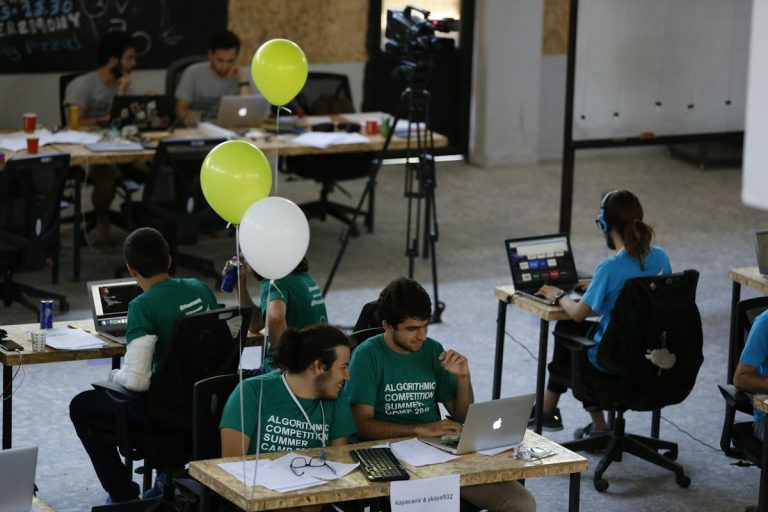
Universities have quietly become the most productive incubators in modern venture finance. Academic institutions are launching dedicated programmes, such as Syracuse University’s Orange Business Angel Network (OBAN), where students actively source deals, conduct due diligence, and match ventures with accredited alumni.
These networks provide tangible value:
* Academic due diligence: Students and faculty evaluate technical viability, market size, and unit economics before outside capital steps in.
* Direct negotiation: Angels negotiate directly with founders rather than relying on an opaque, pooled fund.
* Alumni buy-in: High-net-worth graduates reinvest their expertise and cash back into their alma mater’s ecosystem.
Yet, keeping deal flow confined to an alumni registry has sharp limits. A venture spinning out of an engineering lab in Manchester or Edinburgh needs national exposure, not merely the backing of local graduates. To build momentum, ambitious founders must look beyond regional campus borders and actively showcase your startup to raise startup investment across a broader landscape of private backers.
Why Campus-Bound Early-Stage Venture Funding Hits a Wall
Campus initiatives are brilliant at nurturing concepts, but early-stage venture funding requires massive distribution. A promising campus-born software product or biomedical hardware project can only progress so far on internal grant money and local angel clubs.
The Problem with Fragmented Angel Syndicates
- Geographic isolation: A syndicate operating in one city rarely shares its high-conviction deal sheets with private investors three hundred miles away.
- Heavy fee structures: Many conventional equity platforms and brokerages take an aggressive cut, sometimes demanding 5% to 7% of total funds raised, plus ongoing management levies. That drains early working capital.
- Regulatory friction: Navigating cross-border compliance, sophisticated investor certification, and tax filings slows deals down to a crawl.
Founders need early-stage venture funding to hire technical talent, file patents, and build market-ready prototypes. When middleman fees take a significant bite out of a seed round, early momentum stalls.
By removing success fees in favour of straightforward, transparent access, innovative ventures protect their runway from day one.
The Tax Relief Engine: Unleashing SEIS and EIS
In the UK, early-stage venture funding is supercharged by government-backed tax frameworks. If you are an angel investor backing an unproven enterprise, the financial risk is substantial. Tax incentives exist to balance that equation.
The Seed Enterprise Investment Scheme (SEIS)
SEIS is designed for the very earliest stages of a business lifecycle. It provides investors with up to 50% income tax relief on investments up to £200,000 per tax year. In addition, it offers capital gains exemption on profits realized from the sale of shares held for at least three years. If you are exploring this space, you can explore SEIS opportunities and understand how SEIS works to optimize your risk-adjusted returns while backing early-stage ventures.
The Enterprise Investment Scheme (EIS)
As ventures mature out of their initial seed requirements and seek larger checks to scale operations, EIS takes over. EIS allows individuals to invest up to £1 million per tax year (or up to £2 million if investing in knowledge-intensive companies), offering 30% income tax relief alongside loss relief and inheritance tax exemptions. Both angel investors and syndicates can learn about EIS and explore curated EIS opportunities to support scaling businesses while enjoying structured downside protection.
Professional advisers are central to this dynamic. Many accountants actively seek modern solutions to support your investor clients with SEIS and EIS compliance, ensuring that tax documentation, certificates, and compliance checks occur without costly paperwork delays.
The Oriel IPO Advantage: Modern Marketplace Mechanics
So, how does a university spin-out or an ambitious tech venture bridge the gap between academic incubation and mainstream private investment? That is precisely where Oriel IPO changes the game.
Unlike legacy crowdfunding sites that charge hefty commissions, Oriel IPO operates on a transparent subscription model. Founders do not surrender a chunk of their hard-earned seed capital, and investors do not pay hidden administration charges on their capital allocations.
To take full advantage of this evolving landscape, you can tap into an angel investors network that streamlines early-stage venture funding without the traditional friction of broker commissions and fragmented deal sourcing.
Here is how the marketplace simplifies early-stage venture funding:
- Curated Deal Flow: We avoid the chaotic, unvetted “bulletin board” model. Startups undergo strict checks to ensure eligibility for tax schemes and operational viability before listing.
- Direct Founder Engagement: Investors interact directly with founders, mirroring the transparent dynamics of the best university networks without arbitrary geographic constraints.
- Commission-Free Model: Startups keep 100% of the funds they raise from investors on the platform.
- Integrated Knowledge Hub: Navigating HMRC requirements, advance assurance, and cap-table hygiene can be confusing. The ecosystem provides detailed educational material to keep all parties informed.
Savvy capital allocators can discover startup opportunities and find early-stage investments that have been vetted for quality, tax eligibility, and commercial viability.
How Founders Should Prepare for Angel Syndicates
Connecting with private angels requires more than just an academic pitch deck. Investors assessing early-stage venture funding opportunities want to see structured proof of potential execution.
1. Secure Advance Assurance Early
Do not wait until pitch day to address your tax status. Obtain SEIS/EIS Advance Assurance from HMRC ahead of time. This shows prospective angels that their tax relief is verified, drastically shortening the negotiation cycle.
2. Clean Up Your Cap Table
If you have campus advisors, alumni mentors, or incubators holding equity, keep it simple. Angel syndicates run from messy ownership structures with fragmented voting rights.
3. Articulate Your Unfair Advantage
What came out of the lab or classroom that cannot be easily replicated by an incumbent? Whether it is proprietary code, unique domain expertise, or early customer traction, state it plainly.
Founders ready to expand their funding horizon can access the Oriel IPO Hub to start connecting with investors, bypassing local barriers and pitching directly to a pan-regional community.
Building a Unified Startup Ecosystem
University angel networks prove that when you combine smart mentorship, thorough student-led research, and accredited capital, good things happen. But academic initiatives cannot live in a silo. By plugging enterprise initiatives into a broader digital marketplace, the entire funding pipeline moves faster.
Incubators, university career accelerators, and tech transfer offices can easily partner with Oriel IPO to reach startup founders and investors, creating a seamless pipeline from campus pitch competitions to commercial scale.
The old days of relying on closed-door networks, geographical fortune, or costly intermediaries are fading. By merging curated opportunities, clear tax incentives, and fair subscription-based tools, early-stage venture funding becomes more transparent, efficient, and accessible for everyone involved.
Ready to take control of your seed-stage journey? Whether you are a business founder seeking growth capital or an angel looking to build a high-performing, tax-advantaged portfolio, tap into the angel investors network built for modern early-stage venture funding and accelerate your investment goals today.