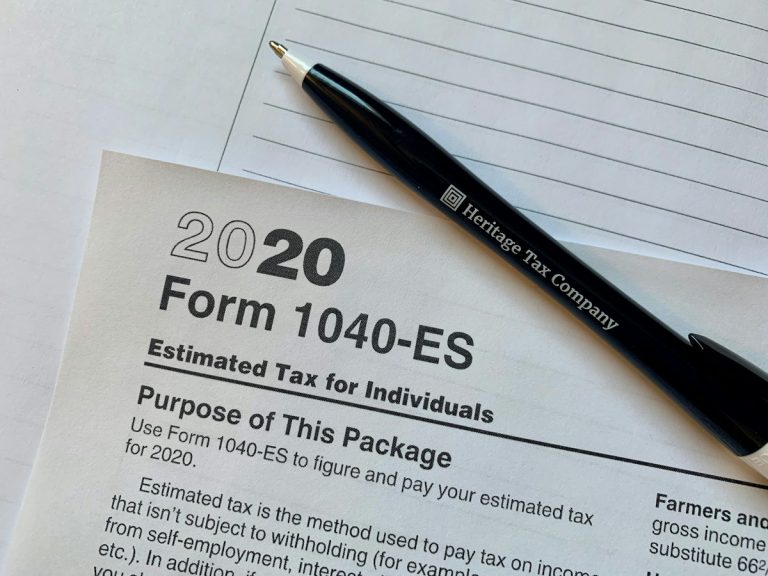
EIS tax relief is a UK government initiative that gives private investors up to 30% upfront income tax relief, tax-free capital gains, and loss relief when purchasing new shares in qualifying early-stage companies. Designed to de-risk high-growth ventures, the Enterprise Investment Scheme enables early-stage British businesses to secure critical equity investment from angel investors and private syndicates.
Why EIS Tax Relief Powers High-Growth British Startups
Starting a commercial enterprise in the UK is difficult, but raising funding for an unproven, high-growth venture is even harder. Commercial banks typically reject early-stage ventures because they lack physical collateral or years of profitable trading history. That leaves founders seeking equity from private individuals who know that early-stage businesses carry a high chance of failure. This funding gap is where EIS tax relief steps in, flipping the risk calculation on its head by delivering substantial government-backed tax incentives to individual taxpayers backing innovative UK trading companies. If you want to dive deeper into how angel investors assess qualifying deals, you can Understand EIS tax relief to see how modern portfolios take advantage of these incentives.
Without these incentives, private capital would naturally flow into safer public equities, commercial property, or interest-bearing cash reserves. Instead, individual investors deploy hundreds of millions of pounds into cutting-edge technology, life sciences, engineering, and digital services across Britain each year. Transparent platforms like the Oriel Investment Marketplace bridge this gap by enabling angel investors to explore direct, curated Tax saving investments without paying middleman commissions or broker fees. Whether you are an individual investor aiming to mitigate substantial tax liabilities or a founder preparing a funding round, mastering the Enterprise Investment Scheme is essential for navigating the UK startup landscape.
What is the Enterprise Investment Scheme (EIS)?
The Enterprise Investment Scheme is a statutory initiative launched by the UK government in 1994. Its purpose is straightforward: encourage private investment into small, unquoted, higher-risk trading businesses to stimulate employment, innovation, and national economic growth.
Because investing in early-stage businesses involves a distinct probability of capital loss, EIS compensates investors through substantial tax reliefs. It acts as a safety cushion. When an investment succeeds, the gains are largely sheltered from tax; when an investment stumbles, HM Revenue and Customs (HMRC) absorbs a large portion of the financial hit through income tax write-offs.
Core Rules for Qualifying Companies
Not every limited company can offer tax certificates to its backers. HMRC enforces strict criteria to ensure only genuine, growth-focused businesses receive support:
- Gross Assets: The company must hold gross assets of no more than £15 million immediately before issuing the shares, and no more than £16 million immediately afterwards.
- Headcount: The company must have fewer than 250 full-time equivalent employees at the time of the share issue.
- Trading Age Limits: The business must generally raise its initial EIS investment within seven years of its first commercial sale. For knowledge-intensive companies, this window extends to ten years.
- Permanent Establishment: The business must have a physical presence or a permanent establishment in the United Kingdom.
- Qualifying Trade: The company must operate an active commercial trade. HMRC specifically excludes certain trades, including property development, hotel operation, retail banking, legal or financial services, farming, and electricity generation.
- Independence: The company cannot be controlled by another entity or have more than 50% of its shares owned by another firm.
How EIS Tax Relief Works for UK Investors
The relief structure is not a single tax write-off. It is an interconnected suite of five distinct tax incentives administered by HMRC.
1. 30% Upfront Income Tax Relief
UK taxpayers can claim up to 30% income tax relief against their income tax bill for the tax year in which the shares are issued.
- Annual Limit: You can invest up to £1,000,000 per tax year in standard EIS companies, yielding a maximum tax saving of £300,000.
- Knowledge-Intensive Bonus: This cap rises to £2,000,000 per tax year if any amount exceeding £1,000,000 is invested in qualifying knowledge-intensive companies.
- Carry-Back Feature: Investors can treat all or part of an investment as if it were made in the preceding tax year, provided they have unused allowance from that year. This carry-back rule offers fantastic flexibility for balancing tax liabilities across consecutive tax periods.
- Minimum Holding Period: You must hold the shares for at least three full years from the date of issue (or from the start of trading, whichever is later). Selling or transferring them early results in HMRC clawing back your relief.
2. 100% Capital Gains Tax (CGT) Exemption
If you claim income tax relief on your EIS shares and retain them for the mandatory three-year holding period, any profit you realise when selling those shares is entirely free from Capital Gains Tax.
Consider an investor who buys £25,000 worth of shares in an early-stage software venture. If that business prospers and those shares are eventually sold for £150,000 after five years, the entire £125,000 capital gain is completely tax-free. For higher-rate and additional-rate taxpayers, this exemption represents massive upside potential compared to standard equity investing.
3. Loss Relief Against Income or Capital Gains
Even with thorough due diligence, early-stage equity investing carries downside risk. Many startups fail. If an EIS company collapses or its shares are sold at a loss, HMRC allows you to claim loss relief.
Unlike traditional listed shares, where losses can only offset other capital gains, EIS loss relief can be offset directly against your taxable income at your marginal rate (up to 45% in England, Wales, and Northern Ireland, or 48% in Scotland).
Let us review an example with an additional-rate (45%) taxpayer investing £10,000 into a qualifying startup:
- Initial Investment: £10,000
- Upfront Income Tax Relief (30%): £3,000 returned via tax reduction
- Effective Capital at Risk: £7,000
- Company Fails Completely: Net loss equals £7,000
- Loss Relief Claimed at 45%: 45% of £7,000 equals £3,150 saved in income tax
- Total Net Loss: Just £3,850 on a £10,000 investment
Because the investor only loses 38.5% of their total cash commitment in a total write-off, angel investors can take calculated bets on innovative businesses without risking their entire balance sheet. Private investors looking to evaluate vetted early-stage opportunities can review Startup investment opportunities to discover companies offering these protections.
4. Capital Gains Tax Deferral Relief
If you sell an asset, such as a second property, commercial real estate, art, or public equities, and incur a heavy CGT bill, you can defer paying that tax by reinvesting the gain into EIS shares.
- Eligibility Window: You must make the EIS investment within a window ranging from one year before to three years after the disposal date of the asset.
- Deferral Mechanism: The original tax liability is frozen until you dispose of the EIS shares, become non-resident, or the company breaches scheme rules.
- No Investment Cap: There is no upper limit on the size of the capital gain you can defer using this mechanism.
5. Inheritance Tax (IHT) Relief
EIS investments qualify for Business Relief. Once you have held the qualifying shares for two continuous years, they are generally exempt from Inheritance Tax upon your death. For estate planners and high-net-worth individuals, holding EIS shares within a diversified portfolio provides a clear path for passing wealth to heirs without incurring the standard 40% IHT charge.
Why High-Risk UK Businesses Depend on EIS Capital
Why does the UK startup ecosystem rely so heavily on the Enterprise Investment Scheme? Because without it, early-stage equity fundraising would grind to a halt.
Traditional financial institutions require predictable cash flows, positive EBITDA, or commercial property to secure lending. High-growth startups rarely have these. An enterprise building a machine learning platform, developing medical diagnostic kits, or launching a green energy service spends money upfront on payroll and research. Their primary value lies in intellectual property and operational velocity.
Founders who need to scale their headcount and run product trials before reaching institutional funding turn to angels. Entrepreneurs can Raise startup investment by presenting their proposition directly to private investors on structured, commission-free networks.
Bridging the Early-Stage Funding Valley of Death
The funding journey contains an infamous hurdle often called the “valley of death”. This is the gap between initial seed funding (family, friends, or tiny grants) and institutional Series A venture capital.
Venture capital firms usually require £1 million or more in annual recurring revenue before considering an investment. Reaching that milestone takes substantial capital, talent, and infrastructure. EIS provides the bridge: it allows founders to raise between £500,000 and £5,000,000 from private angel networks and high-net-worth individuals to prove customer demand, hire technical teams, and hit Series A milestones.
Comparing EIS with SEIS: Key Differences
Before launching a funding round or writing a cheque, you need to understand how the Enterprise Investment Scheme compares to its counterpart, the Seed Enterprise Investment Scheme (SEIS).
| Scheme Attribute | Seed Enterprise Investment Scheme (SEIS) | Enterprise Investment Scheme (EIS) |
|---|---|---|
| Target Stage | Idea, proof-of-concept, early trading | Scaling, operational expansion, growth |
| Company Age Limit | Under 3 years of trading | Under 7 years (10 for knowledge-intensive) |
| Full-Time Employee Limit | Fewer than 25 staff members | Fewer than 250 staff members |
| Gross Assets Limit | Maximum £350,000 | Maximum £15 million before raise |
| Upfront Income Tax Relief | 50% of investment amount | 30% of investment amount |
| Annual Investor Limit | Up to £200,000 per tax year | Up to £1,000,000 (£2m for knowledge-intensive) |
| Company Lifetime Limit | £250,000 lifetime cap | £12 million (£20m for knowledge-intensive) |
| CGT Reinvestment Relief | 50% CGT exemption on asset gain | Deferral of 100% of asset gain |
SEIS is built for pre-revenue or nascent startups, offering an incredible 50% upfront income tax reduction. EIS takes over when the company is larger, supporting broader market expansion. If your venture is in its earliest testing phases, you should Learn about SEIS to see if your seed round fits under the SEIS umbrella first.
How to Apply for EIS Relief: Step-by-Step
Navigating HMRC compliance requires strict adherence to statutory procedures. A mistake at any stage can invalidate tax relief for your entire cap table.
Step 1: Secure Advance Assurance
Before soliciting capital, a business should submit an Advance Assurance application to HMRC. This process involves submitting pitch materials, business plans, draft articles of association, and forecast budgets to the Small Company Enterprise Centre (SCEC).
While Advance Assurance is not technically mandatory by law, almost no experienced angel investor will transfer funds without it. The assurance letter confirms that HMRC agrees the business structure and intended trade meet the requirements of the scheme.
Step 2: Issue Full-Risk Ordinary Shares
Once investor commitments are secured, the funds must be transferred in full, in cash, before the shares are issued. These must be ordinary shares. They cannot carry preferential rights to dividends, liquidation proceeds, or company assets upon winding up. Additionally, you cannot backdate share allotments.
Step 3: Trading and Spending Requirements
A company cannot immediately file for tax certificates the day after receiving funds. To protect against abuse, HMRC requires the company to either:
- Carry on its qualifying trade for at least four continuous months, or
- Spend at least 30% of the newly raised investment on qualifying commercial business activities.
Step 4: Submit Form EIS1 (Compliance Statement)
Once the four-month or 30%-spent threshold is met, the directors submit Form EIS1 to HMRC. This compliance statement provides information on how the funds were handled, confirms that the trading conditions were respected, and lists the participating investors.
Step 5: Distribute Form EIS3 Certificates
Upon reviewing and approving the EIS1 submission, HMRC issues official Form EIS3 certificates (or unique electronic reference credentials) to the company. The company distributes these forms to each investor. Investors then use these reference numbers on their Self Assessment tax returns to claim their 30% income tax relief.
Essential Considerations and Pitfalls to Avoid
Even with Advance Assurance, investors and company directors must maintain operational compliance throughout the mandatory three-year holding window. Common pitfalls include:
1. Investor Connection Rules
An investor cannot claim EIS income tax relief if they are “connected” with the company. An individual is considered connected if they, or their associates (spouses, parents, grandparents, children, or business partners), hold more than 30% of the ordinary share capital, voting rights, or loan capital in the business. Furthermore, paid employees cannot claim EIS relief on company shares, although unpaid directors (or business angels who become paid directors under specific “business angel” rules) can qualify if structured properly.
2. Pre-arranged Exit Agreements and Capital Protection
HMRC operates a strict “risk-to-capital” condition. The investment must carry genuine commercial risk. If an investment agreement includes pre-arranged exit options, guaranteed buybacks, liquidation preferences, or capital protection structures, HMRC will revoke the company’s status and demand repayment of all claimed reliefs.
3. Premature Disposal or Share Buybacks
If an investor sells, gifts, or transfers their shares before the end of the three-year holding period, all upfront income tax relief must be repaid to HMRC. Similarly, if the company buys back shares from any shareholder during this window, it can taint the scheme and strip relief away from other investors on the cap table.
How Modern Marketplaces Support Founders, Investors, and Advisers
Securing early-stage finance has traditionally been expensive and fragmented. Traditional broker networks and investment syndicates routinely charge between 5% and 8% of the total funds raised, draining tens of thousands of pounds from a startup’s operational budget before the cash even hits their bank account.
Modern digital ecosystems change this dynamic entirely. The Oriel Investment Marketplace operates on a clear Subscription Model rather than taking hefty success fees. This means every pound contributed by an angel investor goes directly into hiring engineers, developing products, and driving commercial growth.
Beyond direct fundraising, early-stage investing requires continuous learning and professional guidance. Oriel IPO provides comprehensive Educational Tools designed to help private investors and founders understand regulatory nuances, calculate relief profiles, and follow compliant fundraising steps.
Accountants and financial advisers also play a central role in guiding clients through the intricacies of early-stage tax planning. Advisers who want to streamline these workflows and help their clients navigate qualifying investments can access specialized SEIS EIS support for accountants to support high-net-worth clients and ambitious business owners.
Entrepreneurs and investors who want to evaluate transparent, commission-free membership options can Compare Oriel IPO pricing to find an arrangement suited to their capital requirements.
Frequently Asked Questions About EIS Tax Relief
Can I claim EIS tax relief if I am an existing director of the company?
Generally, paid employees and directors cannot claim EIS relief. However, an exception exists for unpaid directors who become paid “business angel” directors after making an initial investment. Under the business angel rules, if you were not connected to the company prior to investing, you can become a paid director without forfeiting your eligibility, provided your remuneration is fair and commercial.
What happens if an EIS company is acquired within three years?
If an EIS company is bought out before the three-year holding period ends, the upfront income tax relief is normally clawed back by HMRC. However, if the acquisition is conducted as a share-for-share exchange, your EIS relief may roll over into the new acquiring company, provided the acquiring business meets similar qualifying conditions.
Can overseas residents invest in EIS companies?
Yes. An overseas investor can buy shares in an EIS company, but they can only benefit from the UK tax reliefs if they have UK tax liabilities (such as UK income tax or Capital Gains Tax) to offset.
What is the risk-to-capital condition?
Introduced by HMRC to prevent artificial tax avoidance, the risk-to-capital condition requires the company to demonstrate long-term growth ambitions and prove that the investor faces a genuine risk of losing more capital than the net value of the tax relief received.
Summary: Securing the Future of UK Innovation
The Enterprise Investment Scheme remains a cornerstone of the British entrepreneurial economy. By providing 30% income tax relief, complete capital gains exemptions, and income-based loss protection, it allows ambitious private investors to take calculated positions in early-stage commercial ventures.
Whether you are an entrepreneur looking to close a growth round or an investor seeking tax-efficient opportunities, utilizing EIS effectively will transform how you manage startup capital. If you want to connect directly with ambitious founders, join active angel syndicates, or showcase your own growth venture, Start using Oriel IPO to access the next wave of tax-efficient UK investments.