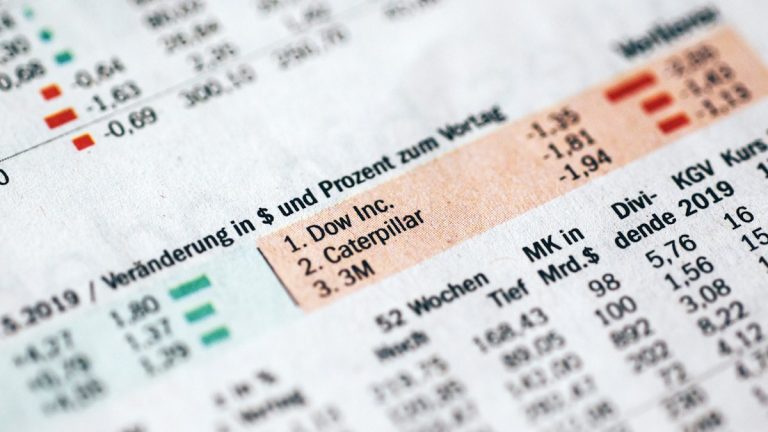
Commission-free online platforms allow individuals and institutions to allocate capital directly into financial assets, such as shares or venture equity, without paying transactional broker charges or percentage-based funding deductions. By eliminating transaction markups, these services lower the cost threshold for investors while ensuring that founders retain the full value of the funds they raise. In the United Kingdom, this structure pairs with government initiatives to create substantial tax advantages alongside fee reductions.
Traditional investing has a quiet wealth drain: dealing fees, ongoing management charges, and platform cut percentages that relentlessly erode your capital before compounding even starts. Choosing modern commission-free online platforms flips the equation in your favour, preserving your liquidity and giving you a direct pipeline to lucrative early-stage equity.
The Real Cost of Traditional Investing and Why Platforms Are Changing
For decades, brokerages operated like private toll roads. Every time you wanted to buy shares, participate in a capital round, or rebalance your portfolio, you had to pay a toll. If you invested £1,000 and the broker skimmed £20 upfront, your portfolio began at a 2% loss before the market even moved. In the venture and angel ecosystem, the numbers were worse, with intermediaries commonly taking 5% to 7% of every pound raised. Today, modern commission-free online platforms have disrupted this legacy structure by stripping away dealing commissions and transactional friction entirely, putting full control back into your hands.
This shift is not merely about saving a few pounds per transaction. It alters the fundamental maths of portfolio growth. By utilising transparent subscription models and zero-commission mechanics, you preserve your underlying capital, increase dealing flexibility, and gain access to high-conviction ventures without arbitrary middlemen. If you want to protect your seed capital and discover high-calibre deals, you can explore SEIS and EIS investments directly through an ecosystem built for transparent, unburdened allocation.
How Do Commission-Free Online Platforms Work?
People often wonder: if a brokerage or marketplace does not charge trading commissions, how does it keep its doors open? The answer comes down to operational efficiency, smart software architecture, and modern revenue models.
Legacy firms relied on bloated manual dealing desks, physical offices, and heavy sales teams. That required high per-trade commissions to cover operational overheads. Modern online platforms replace manual layers with lean, automated digital workflows.
Instead of transactional commissions, contemporary platforms typically generate revenue through clear, predictable channels:
- Subscription models: Transparent monthly or annual platform memberships, where users pay an upfront recurring flat fee to access vetted opportunities and advanced analytical software.
- Ancillary digital tools: Premium software services, document compilation tools, cap table management, and portfolio health monitoring.
- Cash interest spreads: Retaining nominal interest on uninvested cash held in platform wallets.
By decoupling revenue from trade volume, commission-free online platforms avoid conflicts of interest. Traditional brokers thrive when you trade excessively because every buy or sell command generates a transactional fee for them. Conversely, subscription-based, zero-commission platforms focus solely on delivering continuous ecosystem value, useful educational materials, and high-quality deal flow.
What Types of Assets Can You Access Free of Commission?
Zero-commission investing is no longer confined to basic public equity markets. Today, the model spans multiple asset classes, each offering distinctive risk and reward profiles.
Public Equities and Exchange-Traded Funds
Retail trading introduced the public to zero-fee buying of listed shares and exchange-traded funds (ETFs). Platforms enable investors to purchase fractional units of FTSE and international companies without paying £10 or £12 dealing tickets on every trade. This makes periodic monthly investing practical, even for modest allocations.
Early-Stage Startups and Seed Investments
The biggest shift is happening in the startup ecosystem. Historically, angel syndicates and crowdfunding websites took huge cuts from either the investor, the founder, or both. Founders lost massive portions of their seed capital in broker success fees, while angels suffered dilution and hidden fees. Modern deal hubs allow direct matching between high-growth British startups and private investors, letting both parties transact without giving away transaction percentages.
Tax-Efficient Angel Portfolios
In the UK, investing in early-stage enterprises comes with world-class government tax reliefs through the Seed Enterprise Investment Scheme (SEIS) and Enterprise Investment Scheme (EIS). When matched through forward-thinking commission-free online platforms, investors combine generous statutory tax write-offs with zero transactional deductions. Every single pound you commit goes straight to work on the startup’s balance sheet.
The Strategic Advantages of Using Commission-Free Online Platforms
Cutting out commissions delivers operational and psychological advantages that directly influence your lifetime returns.
1. Superior Capital Allocation Efficiency
When transaction costs equal zero, 100% of your money goes straight into acquiring assets. Consider an angel investor who allocates £50,000 across ten seed-stage startups over two years. Under a standard broker taking a 5% commission, £2,500 disappears straight into intermediary pockets. That is £2,500 less equity, fewer shares, and zero compounded returns on that capital. With modern platforms, that entire £50,000 is put to work building value.
2. Painless Rebalancing and Portfolio Diversification
High trading fees discourage diversification. If buying a small position costs £15, you naturally avoid spreading small amounts across multiple assets because the fee percentage is too punishing. Zero-commission environments eliminate this friction. Investors can build broad, resilient portfolios by allocating smaller tickets across a wider array of vetted ventures. You can learn the core mechanics of tax-sheltered startup diversification when you understand SEIS tax relief and its specific portfolio parameters.
3. Freedom from Hidden Dilution for Founders
Founders carrying the burden of fundraising frequently overlook platform cuts until completion day. Giving away 6% or 7% of a £200,000 seed round means surrendering £12,000 to £14,000 of precious runway. That is capital that should have hired an engineer, financed marketing tests, or secured intellectual property protection. Commission-free models preserve equity value, which ultimately protects both the founder and the inbound investors.
Commission-Free Models vs Traditional Fee-Heavy Platforms
To understand the practical impact, consider how traditional brokers compare with commission-free, subscription-based alternatives:
- Commission Charges: Traditional brokers demand £5 to £15 per trade, or 5% to 7% on private funding rounds. Commission-free platforms charge £0 dealing commission.
- Alignment of Interests: Legacy models profit from churning, high turnover, and closing high-fee funding rounds regardless of underlying quality. Commission-free platforms maintain interest alignment by relying on user satisfaction and ongoing platform membership.
- Startup Dilution: Traditional angel brokers take substantial cash cuts alongside advisory warrants. Commission-free platforms let the startup retain 100% of its raised equity capital.
- Pricing Transparency: Traditional setups hide costs across foreign exchange markups, exit fees, carrying charges, and settlement fees. Modern platforms prefer straightforward subscription tiers.
By moving away from percentage cuts, commission-free online platforms ensure that success is measured by portfolio appreciation, not transactional volume.
The Essential Role of Tax Relief in the UK Investment Landscape
Cutting commission fees is a vital half of the equation; the other half is safeguarding your profits from tax liabilities. The UK government maintains two of the most attractive venture tax initiatives anywhere in the world: the Seed Enterprise Investment Scheme (SEIS) and the Enterprise Investment Scheme (EIS).
When you use digital platforms that focus on tax-saving investments, you can offset substantial portions of your initial investment against your income tax bill while shielding future capital gains.
Understanding SEIS: Up to 50% Income Tax Relief
SEIS is explicitly tailored for very early-stage British enterprises. Individual investors can commit up to £200,000 per tax year into eligible startups, claiming back up to 50% of the value of that investment as an income tax deduction. Furthermore, if you hold the shares for at least three years, any capital gains realised upon selling those shares are entirely tax-free.
Understanding EIS: Scaling Growth with 30% Relief
EIS targets slightly larger, growing enterprises. Investors can allocate up to £1,000,000 per year (or £2,000,000 if investing in knowledge-intensive companies). EIS provides 30% upfront income tax relief, capital gains exemption upon disposal after three years, and loss relief if the business does not succeed. Founders looking to leverage these institutional-grade benefits can showcase your startup to an active network of private angels ready to back qualified businesses.
Integrating SEIS and EIS into commission-free online platforms produces an unbeatable investment vehicle: you pay no transaction fees to enter, slash your income tax, mitigate downside risks through government-backed loss relief, and lock in zero capital gains tax on successful exits.
Evaluating Oriel IPO: A Curated, Commission-Free Marketplace
Among contemporary UK-focused platforms, Oriel IPO operates an online investment marketplace built around a transparent, commission-free structure.
Instead of taking cuts from successful capital raises or levying dealing fees on investors, Oriel IPO employs a structured subscription model. This eliminates transaction markups, ensuring that startups retain every penny raised and investors retain their full underlying equity ownership. Founders can pitch their propositions cleanly, and investors can back them without transactional deductions.
Oriel IPO combines this commission-free architecture with a focus on curated, tax-efficient opportunities. Rather than operating as an uncurated listing board, it reviews and filters opportunities to verify that ventures qualify for statutory tax incentives like SEIS and EIS. This gives angels a clean pipeline of tax-saving investments without having to wade through unqualified businesses.
Beyond basic matchmaking, the platform provides deep educational tools. Navigating early-stage deals, HMRC advance assurances, valuation metrics, and subscription documentation can feel daunting. By offering educational materials alongside deal discovery, the platform assists investors, founders, and accountancy professionals in making confident capital decisions. Both private angels and company leaders can browse the Oriel IPO membership plans to find the tier that fits their transactional scope.
How Professional Advisers and Accountants Benefit
Commission-free online marketplaces are not just for private angels and ambitious startup founders. They also provide valuable resources for UK accountants, tax advisers, and business mentors.
Accountants frequently manage clients who face significant income tax or capital gains tax liabilities. Introducing these clients to vetted, tax-sheltered investment schemes is a powerful value-add. However, traditional private equity syndicates and brokerage firms often introduce complex fee schedules, hidden advisory kickbacks, and heavy paperwork that accountants are hesitant to recommend.
A transparent, commission-free marketplace removes this friction. Professional practices can review clear startup data rooms, inspect verified advance assurances from HMRC, and guide their clients toward compliant tax-saving investments without worrying about intermediary conflicts of interest. Forward-thinking advisory firms can help clients with SEIS and EIS to systematically reduce liabilities while supporting the wider UK entrepreneurial economy.
Similarly, commercial business partners and legal consultancies can reach startup founders at the exact moment they are structuring cap tables and preparing documents for an incoming capital injection.
What to Watch Out for: Hidden Traps in “Free” Investing
While the elimination of commissions is a massive win for investors, you should always scrutinise platform terms. The word “free” is sometimes used loosely in marketing materials, so keep an eye out for potential hidden costs:
- Widened Bid-Ask Spreads: Some public stockbroker apps charge zero explicit commission but direct your order flow to market makers who widen the spread between buy and sell prices, costing you money invisibly.
- Excessive Foreign Exchange Markups: Buying overseas shares on a zero-fee platform might trigger a foreign exchange fee of 0.5% to 1.5% on conversion.
- Inactivity Penalties: Certain brokerages charge monthly inactivity fees if you do not place a trade within a rolling period.
- Hefty Exit and Transfer Charges: You might enter for free, but leaving or transferring your holdings to another custodian could trigger steep administrative fees.
This is why subscription-based marketplaces are often far more transparent. With a set subscription model, you pay for platform utility directly, ensuring zero hidden spreads, zero order-routing manipulation, and zero transaction penalties.
Step-by-Step Guide: Getting Started on a Commission-Free Marketplace
If you want to move away from legacy brokers and put your capital to work via commission-free online platforms, follow these practical steps.
Step 1: Define Your Strategy and Risk Appetite
Before deploying funds, establish your capital allocation framework. Early-stage venture investments carry higher operational risks than listed index funds. Never commit capital to early-stage businesses that you might need for short-term liquidity. Decide on a fixed percentage of your investable portfolio to allocate across high-growth, high-risk equity.
Step 2: Understand the Available Tax Relief Schemes
Never invest blind to tax consequences. If you are an active UK taxpayer, determine whether you have sufficient income tax liability to offset via SEIS or EIS. Taking the time to learn about EIS and verify HMRC criteria ensures that your capital works as tax-efficiently as possible.
Step 3: Choose a Transparent Platform
Select a platform that offers clear pricing, verified deal flow, and strong investor tools. Prioritise marketplaces that do not charge commissions on your checks, do not demand equity cuts from founders, and offer reliable educational materials to help you evaluate opportunities.
Step 4: Conduct Rigorous Due Diligence
The absence of dealing commissions makes it easy to complete transactions, but you must still do your homework. Carefully review the pitch deck, financial forecasts, market size, cap table, and HMRC advance assurance documentation before writing a cheque. If you are ready to begin screening deals, you can log in to the investment hub and evaluate live, tax-advantaged opportunities directly.
Step 5: Diversify and Maintain Documentation
Never place all your capital into a single seed investment. Spread your venture allocation across multiple businesses across various sectors. Keep careful records of your share certificates, HMRC compliance certificates (SEIS3 or EIS3 forms), and platform transaction logs so your accountant can claim your tax relief during annual self-assessment.
Frequently Asked Questions About Commission-Free Platforms
Are commission-free online platforms safe to use?
Yes, provided you understand the platform’s regulatory standing and custody arrangements. In the UK, public share brokerages are authorised and regulated by the Financial Conduct Authority (FCA). Private angel matching platforms, such as Oriel IPO, operate as non-regulated introductory marketplaces that connect self-certified sophisticated or high-net-worth investors directly with eligible startup businesses. Always evaluate how your investments are held and verify company filings on Companies House.
Can you actually invest in UK startups without paying fees?
Yes. Under transparent subscription models, investors pay for access to vetted platforms through standard subscriptions rather than transactional broker commissions. This means the entire capital sum goes directly to purchasing the founder’s shares, with no brokerage percentage deducted from the transaction.
Why do UK startups prefer commission-free platforms over crowdfunding?
Equity crowdfunding platforms routinely take between 5% and 7.5% of the total amount raised, along with ongoing administration fees and investor handling charges. On a £300,000 funding round, a startup might sacrifice more than £20,000 in fees. By using commission-free, subscription-based marketplaces, founders retain their entire capital injection, extending their runway and maintaining clean, uncomplicated cap tables.
How do SEIS and EIS tax reliefs integrate with commission-free investing?
SEIS and EIS provide statutory relief directly against your UK income tax liability (50% and 30% respectively), plus full capital gains tax exemptions upon exit after a three-year qualifying holding period. When you purchase eligible startup shares through commission-free online platforms, you bypass middleman cuts while capturing statutory tax reliefs, generating unmatched capital efficiency.
Taking Control of Your Investment Journey
Financial intermediaries have spent decades convincing investors that steep dealing fees and transaction cuts are the necessary price of doing business. They are not. The modern financial landscape belongs to nimble, digital-first models that reduce overheads and return structural value directly to market participants.
Whether you are an angel investor looking to compound capital efficiently, an accountant wanting to optimise your clients’ tax exposure, or a founder building the next great British enterprise, commission-free online platforms offer the clearest path to success. By combining zero dealing commissions, flat subscription pricing, and powerful government-backed tax initiatives, you keep your investment capital working exactly where it belongs: in your assets.
If you are ready to experience what modern, commission-free early-stage funding looks like, explore the marketplace and begin revolutionising investment opportunities in the UK today.