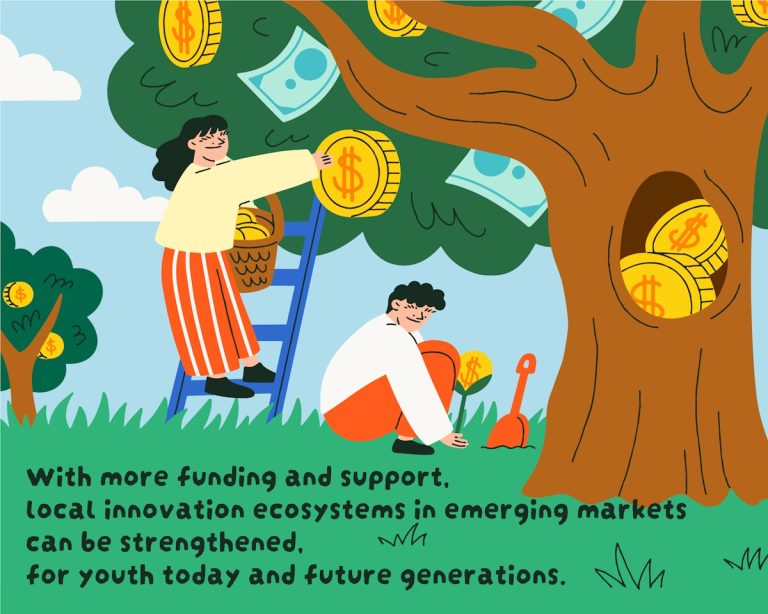
Overhauling the energy tax code directs private capital directly toward clean innovation, net-zero technology, and commercial sustainability. In the UK, restructuring environmental tax policy alongside established venture incentives like SEIS and EIS allows private investors to claim up to 50% upfront income tax relief while backing high-growth green businesses. These statutory frameworks lower the cost of capital for early-stage founders and substantially de-risk early equity allocations for angel syndicates.
Investing in sustainable technology no longer requires sacrificing real financial upside for ethical peace of mind. By tapping into statutory reliefs, everyday angels, high-net-worth individuals, and family offices can construct resilient portfolios that shelter wealth while speeding up decarbonisation. The secret lies in pairing government net-zero mandates with verified, tax-efficient investment structures.
Why Energy Tax Reform Fuels Green Ventures
Energy policy around the world is shifting fast. Governments recognise that public balance sheets alone cannot finance the transition to net zero. Meeting carbon reduction targets demands billions in private seed capital, growth equity, and infrastructure funding. That is why overhauling legacy tax codes into targeted, performance-driven green frameworks has become the weapon of choice for modern treasuries. For forward-thinking backers seeking high-impact opportunities, exploring curated Tax saving investments provides a direct route into vetted businesses that combine meaningful environmental performance with substantial tax relief.
When tax codes penalise heavy emissions while delivering generous breaks for renewable energy, energy storage, and circular economy scaleups, capital moves rapidly. Traditional fossil-fuel investments face escalating carbon levies, regulatory friction, and stranded-asset risks. In contrast, early-stage green ventures benefit from a supportive fiscal environment that shields their early development runway. This policy dynamic shifts the risk-reward calculation firmly in favour of clean innovation, turning sustainable ventures into some of the most compelling early-stage assets available today.
The Funding Dilemma for CleanTech Startups
Early-stage clean technology companies face unique hurdles that software businesses rarely encounter. Developing hardware solutions, energy storage prototypes, and smart-grid infrastructure requires serious upfront capital expenditure. Long research-and-development cycles mean these ventures often operate for years before booking commercial revenue.
Without supportive tax codes, traditional private equity and venture capital funds hesitate. The early technical risk looks too steep. High failure rates during pilot phases scare away cautious capital. This creates an equity gap where brilliant net-zero ideas wither before reaching commercial production.
Tax-incentivised frameworks bridge this exact gap. By delivering massive tax deductions directly to private backers, government policy absorbs a sizable chunk of the downside risk. When private individuals know that HM Revenue & Customs (HMRC) effectively covers half of their initial stake through income tax relief, backing an unproven clean energy startup becomes a calculated, rational bet rather than a reckless gamble.
How SEIS Powers Seed-Stage Sustainable Innovation
In the UK, the Seed Enterprise Investment Scheme (SEIS) is arguably the world’s most generous early-stage tax incentive. Designed specifically to direct private risk capital into brand-new enterprises, SEIS is ideally suited for emerging CleanTech pioneers looking to build their first operational models.
Under SEIS, individual investors can commit up to £200,000 per tax year into qualifying early-stage firms. In exchange, HMRC grants an immediate 50% income tax relief against their income tax liability for that year (or carried back to the prior year). If you invest £20,000 in a seed-stage green tech company, you deduct £10,000 straight off your income tax bill. If you are an angel investor looking to support early-stage green businesses, you can Learn about SEIS and build a tax-shielded portfolio with confidence.
Beyond upfront income relief, SEIS provides additional layers of downside protection. If a venture fails, investors can claim loss relief against their personal income tax or capital gains tax, significantly reducing net capital loss. Furthermore, any profits generated when selling qualifying shares after three years remain 100% free of capital gains tax. For entrepreneurs launching innovative green hardware or emissions-tracking software, qualifying for SEIS is essential to winning early investor trust.
Scaling Sustainable Scaleups with EIS
Once a sustainable business validates its core technology, builds a working prototype, and signs initial enterprise pilot agreements, it needs serious growth funding. At this point, the £250,000 lifetime limit of SEIS is no longer sufficient. This is where the Enterprise Investment Scheme (EIS) takes over.
EIS allows qualifying companies to raise larger amounts of growth funding, up to £5 million per year (and up to £12 million over their lifetime). For Knowledge Intensive Companies (KICs), such as firms developing patented clean energy technology or proprietary biochemical recycling systems, those caps rise to £10 million per year and £20 million across the firm’s lifetime.
From the investor’s perspective, EIS offers:
- 30% Upfront Income Tax Relief: Offset up to £1,000,000 per tax year (or up to £2,000,000 when backing Knowledge Intensive Companies).
- Tax-Free Capital Gains: Zero capital gains tax on share disposal after a minimum holding period of three years.
- Capital Gains Deferral Relief: Defer paying capital gains tax triggered on other asset sales (such as property or publicly traded equities) by rolling those gains into qualifying EIS shares.
- Loss Relief: Protect remaining capital by offsetting net losses against personal income tax rather than just future capital gains.
- Inheritance Tax Exemption: Benefit from 100% Business Relief from Inheritance Tax once shares have been held for just two continuous years.
To discover how growth-stage sustainable firms deploy this expansion capital, take time to Learn about EIS and see how structural tax incentives insulate long-term venture portfolios.
Why Green Startups Prioritise Advance Assurance
Tax incentives only benefit investors if the issuing company strictly adheres to statutory rules. This is why securing HMRC Advance Assurance represents the single most important milestone for any startup raising equity under SEIS or EIS.
Advance Assurance is formal written guidance from HMRC confirming that a proposed share issue will qualify for tax relief, assuming the business operates as described. Without this confirmation in hand, most experienced UK angel investors and syndicates will not even look at a pitch deck.
To retain qualifying status, sustainable businesses must satisfy several key requirements:
- Qualifying Trade: The firm must carry out a qualifying trade. Most clean technologies, battery management systems, carbon accounting software, and circular manufacturing models qualify comfortably. However, pure electricity generation from subsidies or standard land leasing often faces explicit statutory exclusions.
- Gross Asset Limits: For SEIS, the company’s gross assets must not exceed £350,000 prior to the share issue. For EIS, gross assets cannot exceed £15 million before investment.
- Employee Count: The business must have fewer than 25 full-time equivalent employees for SEIS, and fewer than 250 for EIS (raised to 500 for Knowledge Intensive Companies).
- Risk to Capital Condition: The enterprise must show an authentic, demonstrable intention to grow and innovate, with genuine commercial risk to the investor’s initial capital.
Founders who proactively secure Advance Assurance simplify the decision-making process for angels, cutting months off their fundraising cycles. If you have built an eligible business and want to secure growth equity, you can Showcase your startup directly to an active network of private angels.
The Crucial Role of Accountants and Financial Advisers
Navigating energy tax policies, capital allowances, and venture investment rules requires technical skill. For private investors and early-stage founders, qualified accountants and wealth planners provide the structural foundation for compliant execution.
Accountants are essential for:
- Filing Compliance Certificates: Submitting SEIS1 and EIS1 compliance forms to HMRC following the completion of an investment round.
- Issuing Investor Certificates: Distributing SEIS3 and EIS3 certificates, which individual investors require to claim tax deductions on their annual Self Assessment returns.
- Monitoring Holding Periods: Ensuring that corporate restructurings, share buybacks, or trade sales do not accidentally invalidate qualifying status before the mandatory three-year holding period expires.
- Optimising Capital Gains Rollovers: Structuring timely EIS deferral claims for private clients liquidating other capital assets.
Advisers who master these mechanisms deliver immense value to high-net-worth clients seeking both wealth preservation and tax efficiency. Accounting firms and tax practitioners can access dedicated SEIS EIS support for accountants to streamline client certification and review eligible deal flow.
How Oriel IPO Connects Angels and CleanTech Innovators
Connecting founders with private capital has traditionally been bogged down by slow broker models, high platform commissions, and fragmented networks. Oriel IPO transforms this experience by offering a modern, transparent online marketplace dedicated to early-stage UK investment.
Instead of skimming between 6% and 10% from the funds raised by sustainable ventures, Oriel IPO operates on a transparent Subscription Model. This ensures that every single pound committed by angel investors goes directly into company balance sheets, funding hardware prototypes, hiring software engineers, and securing international patents.
Through the curated Oriel Investment Marketplace, angel investors review screened UK opportunities matching their tax-relief preferences and environmental criteria. By eliminating commission intermediaries, communication happens directly between founders and investors, establishing transparent governance from day one.
To help participants navigate complex statutory incentives, Oriel IPO integrates comprehensive Educational Tools across the platform. These resources demystify valuation hurdles, compliance pitfalls, and tax mechanics, empowering users to make confident financial allocations. Investors can easily Discover startup opportunities and evaluate early-stage clean energy businesses seeking strategic angel backing.
Five Steps to Building a Green, Tax-Advantaged Portfolio
Crafting an investment portfolio that balances risk, maximises tax relief, and drives sustainable progress requires discipline. Chasing generous tax breaks without evaluating the underlying commercial business model is a recipe for poor returns.
Here is a practical, step-by-step framework to build a resilient, tax-optimised venture portfolio:
1. Assess Personal Tax Liabilities
Begin by reviewing your tax liabilities for the current and prior tax years. Calculate your total income tax exposure, identify any realised capital gains from property or share sales, and assess your estate’s potential Inheritance Tax position. Knowing these figures tells you whether to prioritise SEIS for immediate 50% income relief, EIS for 30% relief with capital gains deferral, or a blend of both.
2. Verify Advance Assurance Early
Never commit capital to an early-stage UK venture without verifying its HMRC Advance Assurance status. Ask the founder for their formal letter from HMRC. This simple verification protects you from unexpected tax assessments down the line.
3. Diversify Across Sectors and Stages
Venture investing involves real risk, and sustainable technology is no exception. Avoid allocating all your investment capital into a single niche or startup. Spread your capital across complementary sub-sectors, including:
- Smart-grid infrastructure and demand-side energy software
- Battery chemistry, storage management, and clean propulsion
- Agricultural technology, soil restoration, and food waste reduction
- Industrial carbon capture, circular packaging, and recycling systems
Mix high-upside seed-stage SEIS opportunities with slightly more established EIS businesses to establish healthy structural diversification.
4. Scrutinise Unit Economics and Technical Moats
A company’s green credentials mean nothing if its unit economics do not make sense. Look past emotional mission statements and evaluate the core fundamentals. Does the company possess defensible intellectual property? Are their production costs competitive without permanent government subsidies? Does the management team demonstrate proven commercial execution experience alongside their technical expertise?
5. Centralise Management on Modern Hubs
Managing paper share certificates, tax forms, and quarterly updates across multiple startups can quickly turn chaotic. Using purpose-built platforms simplifies document workflows, portfolio tracking, and direct communication. Active angels can readily Log in to the investment hub to review verified pitch materials, execute agreements, and manage qualifying holdings in one secure environment.
The Power of the Broader Innovation Ecosystem
Overhauling energy codes and deploying private capital into green technology is not an isolated exercise. Transforming disruptive ideas into sustainable, market-leading enterprises demands an interconnected community of dedicated professionals.
University spinout hubs, industry incubators, accelerators, and specialized commercial advisers all play critical roles in preparing early-stage firms for outside investment. When founders access reliable legal structuring, sound technical mentorship, and verified tax frameworks, their survival and growth rates improve drastically.
Platforms like Oriel IPO act as the central nexus for this collaboration, bringing together founders, angels, mentors, and corporate partners. If your organisation supports early-stage UK enterprises or develops sustainable innovation, you can Partner with Oriel IPO to build stronger commercial connections and support UK founders.
Transparent Access: The Commission-Free Advantage
For decades, traditional financial intermediaries took substantial bites out of seed funding rounds. Broker fees, success percentages, and hidden transaction costs regularly drained 5% to 10% of a startup’s working capital before the company could even order components or recruit staff. Investors, too, were hit with annual management fees that dragged down their overall returns.
Modern capital allocation requires transparent, friction-free platforms. By replacing legacy broker fees with structured membership options, early-stage platforms align their interests directly with the health of the broader ecosystem. Founders preserve equity and cash, while investors retain the full benefit of their statutory reliefs. Whether you are an experienced angel syndicate or a newly established founder preparing your seed round, you can View Oriel IPO plans to select the right access level for your investment objectives.
Frequently Asked Questions
What are tax-incentivised investments in the context of green technology?
Tax-incentivised investments are private equity allocations into qualifying early-stage businesses that offer statutory tax reliefs legislated by governments. In the UK, schemes like SEIS and EIS offer substantial income tax relief, capital gains exemptions, and loss protections to encourage private backing for high-risk ventures, including clean technology and renewable energy innovators.
Can any green business qualify for SEIS and EIS?
No. The business must satisfy strict HMRC eligibility criteria. It must be an unquoted trading company, have permanent UK establishment, hold gross assets below statutory caps, employ fewer than the maximum permitted staff, and pass the “Risk to Capital” gateway test. Pure property holding, land ownership, or energy projects reliant entirely on feed-in tariffs are explicitly excluded from qualifying status.
How does an energy tax overhaul help the private investor?
Policy reforms that update energy tax codes penalise high-carbon activities while providing generous allowances and clear legal frameworks for sustainable innovation. This lowers the regulatory hurdle for green startups, broadens market demand for clean alternatives, and increases the potential commercial returns for private angels backing early-stage clean enterprises.
How long must I hold green SEIS or EIS shares to keep my tax reliefs?
Investors must hold qualifying shares for at least three continuous years from the date of issue (or three years from when the trade began, whichever is later). Disposing of, gifting, or selling shares before this mandatory window ends triggers an immediate clawback of upfront income tax relief and cancels capital gains tax exemptions.
What happens if a tax-advantaged sustainable startup fails?
If a business collapses, statutory loss relief allows you to offset your net financial loss (the initial investment minus any upfront income tax relief already claimed) directly against your personal income tax liability or capital gains tax for the year. This downside protection dramatically limits overall portfolio risk compared to standard equity investing.
Transforming Investment for a Sustainable Future
Reforming energy tax legislation sets the strategic direction, but private capital brings real solutions to life. Without angel investors willing to fund early battery prototypes, smart-grid algorithms, and circular industrial processes, government decarbonisation targets will remain out of reach.
UK tax-incentivised frameworks turn this challenge into a powerful financial opportunity. By combining 50% SEIS and 30% EIS income tax reliefs with comprehensive capital gains protections, investors can safely deploy capital into high-potential, net-zero enterprises. You do not have to choose between financial prudence and environmental impact; statutory policy makes them completely aligned.
Whether you are an ambitious founder ready to launch a seed round, a private investor looking to preserve capital while funding clean technology, or an accountant steering clients toward tax efficiency, the tools to succeed are accessible today. Explore the future of tax-incentivized investments and take part in funding the green businesses shaping tomorrow’s economy.