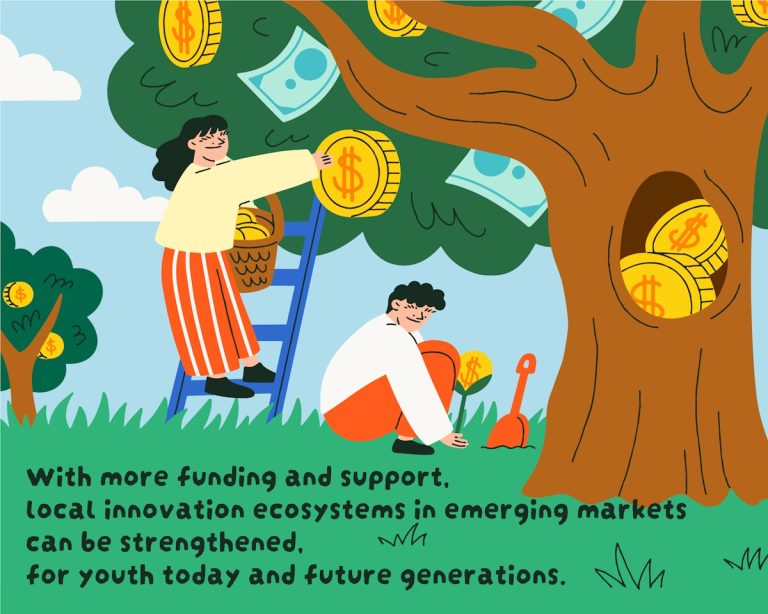
Angel investing is the practice where private, high-net-worth or sophisticated individuals invest their personal capital into early-stage startups in exchange for equity or convertible debt. In the United Kingdom, angel investors typically back seed-stage businesses with cheques ranging from £5,000 to over £100,000, often using government-backed tax initiatives like SEIS and EIS to mitigate downside risk while securing long-term capital growth.
Unlocking Early-Stage Growth: What Every Founder and Backer Must Know
Starting out in startup finance can feel overwhelming, whether you have cash to deploy or a young company to build. At its core, angel investing bridges the tricky gap between bootstrapping and institutional venture capital. It gives brave founders the early fuel they need to test their product, hire initial talent, and find product-market fit. At the same time, it allows private backers to own a slice of tomorrow’s commercial winners long before the wider market notices them. If you want to put your personal capital to work or grow your personal wealth, you can explore SEIS and EIS investments and discover how early-stage deals take shape.
Yet writing a cheque or pitching a startup is not just about raw optimism; it demands a clear understanding of valuation, share capital, legal agreements, and risk control. The UK has one of the most generous environments for early backing in the world, primarily because government schemes actively shield investors against heavy losses. This guide walks you through every layer of angel investing: from sourcing opportunities and evaluating business plans to managing portfolios, claiming tax reliefs, and understanding exit strategies.
What Is Angel Investing and Who Does It?
An angel investor is an individual who puts their personal money directly into a private startup company. Unlike venture capital fund managers, who deploy money collected from pension funds, institutions, and family offices, angels answer only to themselves. They pick the businesses they like, sign their own cheques, and take on the personal risk.
Why the name angel? The term originated on Broadway during the early twentieth century, describing wealthy theatre lovers who funded productions that were otherwise on the verge of closing. Today, angel investing carries that same spirit into tech, healthcare, green technology, consumer goods, and professional services. When a founder has exhausted personal savings and loans from friends and family, angels arrive to back the vision.
In the UK, regulatory bodies like the Financial Conduct Authority (FCA) outline clear criteria for individuals participating in unlisted, early-stage private markets. Most angels qualify under specific categories:
- High-Net-Worth Individuals: Typically people with an annual personal income exceeding £100,000 or net assets of at least £250,000, excluding their primary residence and pension entitlements.
- Sophisticated Investors: Individuals who have held directorships in companies turning over at least £1 million, worked in private equity, or been members of an angel syndicate for a minimum period.
- Founders Turned Backers: Experienced entrepreneurs who have successfully exited their own companies and now want to support the next cohort of UK creators while diversifying their capital.
These investors bring far more than cash. The best backers bring deep industry contacts, operational playbooks, recruitment help, and strategic patience.
How Angel Investing Compares to Venture Capital and Crowdfunding
Many founders and prospective backers blur the lines between angels, crowdfunding platforms, and venture capital (VC) firms. Understanding the differences avoids wasted time and unrealistic expectations.
Angel Investors vs Venture Capitalists
- Source of Money: Angels invest their own personal bank balance. Venture capitalists invest third-party pooled funds from Limited Partners (LPs).
- Stage of Entry: Angels usually step in at the pre-seed or seed stage, when the business might have little more than a prototype, initial user interest, or minimal revenue. VCs traditionally enter at late-seed, Series A, or beyond, looking for established revenue metrics.
- Ticket Sizes: An individual angel might invest anywhere from £5,000 to £50,000, occasionally up to £100,000 or more in a syndicate. VCs generally write cheques from £500,000 into the multi-millions.
- Decision Speed: An angel can review your deck, meet you for coffee, complete legal checks, and transfer funds within weeks. VCs must pass deals through formal investment committees, partner votes, and extensive technical audits, which can stretch across months.
- Governance and Control: Angels rarely demand aggressive board seats or strict voting vetoes, opting instead for advisory updates or observer status. VCs routinely demand formal board seats, liquidation preferences, and veto rights over future funding rounds.
Angel Investing vs Equity Crowdfunding
Equity crowdfunding allows hundreds of retail investors to pool small sums, often starting at £10 or £20, through a single nominee structure. While crowdfunding offers fantastic PR and community engagement, direct angel investing allows founders to develop close, 1-on-1 relationships with experienced commercial mentors. For backers, direct angel investing delivers direct share ownership and unmediated dialogue with the leadership team.
The Financial Mechanics: How Deals Are Structured
When participating in angel investing, the financial instruments you select determine your future returns, dilution risk, and tax treatment. Founders and backers generally work with three main mechanisms in the UK.
1. Ordinary Shares and Preferred Shares
Direct equity is the simplest route. You hand over cash, and the company issues a specific number of new shares to you. Most UK seed deals use Ordinary Shares, ensuring equal voting and dividend rights alongside the founders, which is also a strict requirement to qualify for certain UK tax incentives. In later rounds, institutional investors might ask for Preferred Shares, giving them preferential treatment if the business is liquidated.
2. Convertible Loan Notes (CLNs)
A Convertible Loan Note is essentially a short-term loan that turns into shares during a future fundraising event or at a defined maturity date. It carries an interest rate and typically offers a conversion discount (often 10% to 20%) to compensate early lenders for their early faith. However, lenders should note that standard interest-bearing loans often conflict with specific UK government tax schemes, so they must be used carefully.
3. Advanced Subscription Agreements (ASAs)
An ASA is an equity-only agreement popular across the UK startup scene. An investor commits funds today, and the company agrees to issue shares at a future date, usually when the next formal equity round closes, or after a maximum long-stop date (typically 6 months). Unlike a convertible loan, an ASA cannot be repaid in cash and charges no interest. Because of this structure, properly drafted ASAs can maintain eligibility for UK startup tax reliefs.
Why Tax Efficiency Is Central to UK Angel Backing
Early-stage investing carries a genuine risk of capital loss. Most startups fail. To stimulate private funding for brave new businesses, the UK government created two world-leading tax schemes: the Seed Enterprise Investment Scheme (SEIS) and the Enterprise Investment Scheme (EIS). Anyone active in UK angel investing should understand these mechanisms inside and out.
These tax-saving investments dramatically alter the risk-reward equation for domestic taxpayers.
The Seed Enterprise Investment Scheme (SEIS)
SEIS focuses on the youngest, riskiest enterprises. For companies trading for less than three years with under £350,000 in gross assets, it offers extraordinary relief to qualifying UK investors:
- 50% Income Tax Relief: Invest £10,000, and you can offset up to £5,000 directly against your income tax liability for that tax year (or carry it back to the prior year).
- 0% Capital Gains Tax (CGT): If you hold the shares for at least three years, any profits earned upon sale are 100% exempt from CGT.
- Reinvestment Relief: You can cut capital gains tax on other asset sales by 50% if you reinvest those profits into SEIS-eligible shares.
- Loss Relief: If the company unfortunately fails, you can claim loss relief on the net amount at risk against your income tax or capital gains, reducing total net downside exposure to around 13.5p for every £1 invested.
To dive deeper into the exact qualification tests and caps, you can learn about SEIS and how it shapes pre-seed backing.
The Enterprise Investment Scheme (EIS)
EIS targets slightly larger, more established scaling companies (typically trading up to seven years, or ten years for knowledge-intensive companies):
- 30% Income Tax Relief: Claim up to £300,000 per tax year on an annual maximum investment of £1 million (or £2 million if investing in knowledge-intensive firms).
- Tax-Free Growth: No Capital Gains Tax on profits realised after a three-year holding period.
- Loss Relief and Inheritance Tax Relief: Similar downside loss provisions apply, and shares held for two years usually qualify for 100% Business Relief from Inheritance Tax.
If you want to understand how later seed and growth stages benefit, you can learn about EIS to explore rules for scaling enterprises.
How Do You Source and Evaluate Opportunities?
Finding great businesses requires deliberate effort. You cannot simply sit back and wait for winning pitches to fall into your lap. Experienced backers build systematic funnels to discover, evaluate, and filter potential opportunities.
Sourcing Deal Flow
- Online Marketplaces: Digital platforms have streamlined deal discovery. Instead of relying solely on closed social circles, investors use modern platforms to review vetted decks and business models. The Oriel Investment Marketplace provides a centralised, commission-free space where founders connect directly with early backers.
- Angel Networks and Syndicates: Joining a regional or sector-specific angel syndicate allows you to review opportunities alongside veteran investors, splitting the burden of background checks.
- Accelerators and Demo Days: Attending startup pitch events run by incubators, universities, and enterprise hubs offers a snapshot of emerging teams.
- Accountancy and Advisory Networks: Accountants and corporate finance specialists often know when an ambitious business client is preparing to raise growth capital.
What to Look for: The Due Diligence Checklist
When an opportunity catches your eye, thorough due diligence protects you from preventable errors. Never rely entirely on pitch deck slides; dig into the operational facts.
- The Founding Team: Are the founders resilient, coachable, and experienced in this specific market? Do they have technical and commercial balance? At the earliest stages, you are backing the jockeys, not just the horse.
- Market Size and Problem: Is the problem painful enough that customers will open their wallets right now? Is the addressable market large enough to generate venture-scale returns?
- Defensibility and Moat: What stops an established corporate giant or an agile competitor from copying the idea tomorrow? Look for proprietary software, trademarks, network effects, or deep domain expertise.
- Unit Economics and Traction: Even if the company is not yet profitable, do the underlying unit metrics make sense? What does it cost to acquire a customer, and what is their projected lifetime value?
- Clean Cap Table: Look closely at the company’s share register. Have the founders given away 40% of their equity to an early adviser who did nothing? An overcrowded, messy cap table will prevent future venture capital funds from investing in later rounds.
- Advance Assurance: Does the company already hold HMRC Advance Assurance for SEIS or EIS? While not a formal guarantee of business success, this certificate proves that HMRC has reviewed the business model and considers it eligible for investor tax reliefs.
The Investment Process: Step-by-Step for Founders and Investors
Closing a direct angel investment round involves a structured series of commercial and legal milestones.
Step 1: Initial Discovery and Pitch
The founder shares an executive summary or pitch deck outlining the value proposition, market problem, solution, early traction, financial projections, and the funding target. If an investor is intrigued, they arrange an introductory call to ask tough questions and assess chemistry.
Step 2: The Term Sheet
Once there is mutual interest, the parties agree on a Term Sheet (or Heads of Terms). This document outlines the core commercial parameters:
- Pre-Money Valuation: What the business is deemed to be worth before the new cash arrives.
- Investment Amount: The exact capital being raised.
- Type of Shares: Usually Ordinary Shares.
- Board Representation: Whether the investor receives a director seat or observer rights.
- Information Rights: How often the founder will provide management accounts and trading updates (usually quarterly).
If you are a founder getting ready to present your figures, you can showcase your startup to discover how structured platforms simplify early pitches.
Step 3: Formal Due Diligence and Legal Documentation
The parties move to drafting the final binding contracts. This stage requires standard legal instruments:
- Subscription and Shareholders’ Agreement (SSHA): Governs how the shares are purchased, how decisions are made, drag-along and tag-along rights, and warranties given by founders regarding company debts and intellectual property.
- Articles of Association: The statutory rules registered at Companies House regulating internal corporate governance.
Step 4: Transfer of Funds and Share Issuance
Once documents are signed, the investor transfers the funds to the company’s business bank account. The company board formally resolves to issue the new shares, updates the internal register of members, files a return of allotment (Form SH01) at Companies House, and delivers the share certificates to the investor.
Step 5: Compliance and Tax Certificates
If claiming SEIS or EIS relief, the company must submit the compliance statement (SEIS1 or EIS1 form) to HMRC after trading for the statutory minimum period. Once approved, HMRC issues unique authorization codes, allowing the company to hand official SEIS3 or EIS3 certificates to the investors for their personal tax returns.
Portfolio Strategy: How to Survive the High-Risk Realities
Angel investing is not a get-rich-quick exercise. It is an illiquid, high-risk, long-term asset class. If you invest in only one or two startups, the mathematical likelihood of losing your entire principal is significant.
The Power Law of Early Backing
Startup returns follow a power law distribution, not a standard bell curve. In a portfolio of ten companies, typical outcomes often look like this:
- Five or six businesses fail completely or return negligible capital.
- Two or three return original capital or provide modest returns.
- One breakout winner delivers a 20x to 50x return, paying for all the losses and driving the portfolio’s total profit.
Because of this dynamic, experienced investors avoid putting all their capital into a single “sure thing.” They spread their allocation across 15, 20, or even 30 companies over a three-to-five-year period.
Practical Rules for Portfolio Building
- Only Allocate What You Can Afford to Lose: Startup equity cannot be sold on a public stock exchange tomorrow. Keep your startup allocation to a sensible fraction of your overall net wealth.
- Reserve Capital for Follow-on Rounds: Your favourite startup will almost certainly need more money in 18 months. If you cannot participate in follow-on rounds, your equity stake will be heavily diluted by new investors. Professional angels often reserve 30% to 50% of their total allocation for follow-on investments.
- Stick to What You Know: Focus on sectors where your professional background gives you an analytical edge. If you spent twenty years in logistics, you will evaluate a freight-tech startup far better than a biotechnology lab.
- Use Educational Resources: Continuous learning matters. Accessing industry guides, legal frameworks, and compliance walkthroughs through Educational Tools keeps you from repeating the common mistakes made by first-time angels.
The Role of Modern Platforms in the UK Ecosystem
Historically, angel investing was an exclusive, opaque club. High-flying executives traded tips over dinner, while regional founders struggled to find anyone with an appetite for early-stage risk. Today, transparent digital infrastructure has changed the landscape.
Transparent, Commission-Free Models
Traditional fundraising platforms and brokers often deduct 5% to 7% of all the capital a founder raises, plus additional success fees or carried interest from investors. This subtracts cash that should be spent hiring engineers or marketing products.
Platforms like Oriel IPO operate on a transparent Subscription Model, removing percentage commissions entirely. Founders keep 100% of the funds they raise from backers, while investors access vetted, high-potential deals without hidden transaction penalties. This model brings much-needed clarity to the UK market.
Professional Advisory Support
Accountants and tax advisers also play an essential role here. Because early-stage backing involves precise HMRC tax filings and corporate structuring, having advisers involved early on saves everyone headaches down the road. If you advise clients who are backing startups or managing growth, you can help clients with SEIS and EIS to ensure their investments remain fully compliant with regulatory standards.
Furthermore, incubators, universities, and commercial accelerators can connect with the startup ecosystem to supply their founders with accessible fundraising avenues.
How Do Angel Investors Actually Exit?
Because private shares do not trade on the London Stock Exchange, angel investors only realise returns during an exit event. You must be prepared to wait; the average time to an exit ranges from five to ten years.
Common exit routes include:
- Trade Sale (Merger or Acquisition): The most frequent positive outcome. A larger corporate competitor or private equity firm acquires the entire company, buying out all existing shareholders for cash or public stock.
- Secondary Share Sales: When the company reaches later fundraising stages (Series B or C), incoming institutional venture capitalists may offer to purchase shares directly from early seed investors to clean up the cap table.
- Initial Public Offering (IPO): The company lists its shares on a public exchange like the AIM market or London Stock Exchange, allowing backers to sell their stock on the open market.
- Company Buybacks: In rare cases where a business becomes highly profitable without wanting a sale or listing, it may use balance-sheet cash to repurchase equity from early angels.
Final Steps: Getting Started as an Investor or Founder
Angel investing is one of the most exciting corners of modern commerce. It gives investors an active front-row seat to innovation, tax-advantaged growth, and the opportunity to share real-world wisdom. For founders, landing the right angel backer provides the mentorship and financial lift required to transform an ambitious idea into a market-leading enterprise.
Whether you are an investor looking to construct a diversified, tax-relieved portfolio, or a founder preparing your seed round, using the right tools and transparent platforms makes all the difference. Check the pricing options and view Oriel IPO plans to see which membership matches your immediate goals. When you are ready to log in, review live deals, and manage your network, step directly into the Oriel IPO hub and begin building your early-stage venture footprint today.