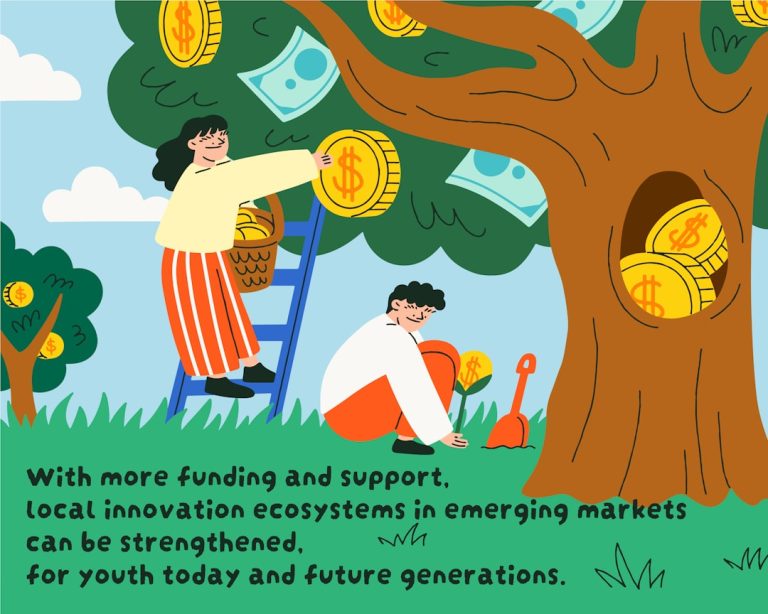
Unlocking Tax-Smart Funding for Tourism Startups
Tourism is booming in the UK. But if you run a small travel or hospitality venture, raising early-stage capital can feel like spinning plates. SEIS and EIS–the Seed Enterprise Investment Scheme and Enterprise Investment Scheme–offer juicy tax reliefs. They slice income tax bills, shield gains, and raise investor confidence. Yet the deadlines, forms and acronyms? Overwhelming.
That’s why a practical SEIS EIS grants guide is a must-have. We’ll unpack the schemes, show you how to qualify, and reveal why pairing them with Oriel IPO’s commission-free investment marketplace cuts through the noise. No jargon. No gatekeepers. Just clear steps. Your SEIS EIS grants guide to revolutionizing investment opportunities in the UK will have you pitching to angel investors in no time.
Understanding SEIS and EIS: The Tax Advantage
Before you launch a campaign, let’s define the basics:
What is SEIS?
- Aimed at very early‐stage businesses.
- Investors get 50% income tax relief on investments up to £100,000 per tax year.
- Up to 50% exemption on capital gains from SEIS shares held for three years.
What is EIS?
- Ideal for slightly more mature startups.
- Income tax relief of 30% on investments up to £1 million per year.
- Deferral of capital gains tax if gains are reinvested.
- Loss relief on disposals and inheritance tax relief once held for two years.
The Core Benefits
- Dramatically reduced risk for investors.
- Stronger fundraising pitches.
- Higher likelihood of closing rounds quickly.
These incentives explain why the UK SEIS/EIS market tops £1 billion in annual investments, especially in high-growth sectors like tourism.
Oriel IPO’s Commission-Free Investment Marketplace
Raising funds on a crowded platform can feel like shouting into the void. Oriel IPO flips that script.
How It Works
Founders list their opportunity, highlight eligibility for SEIS/EIS, upload a pitch deck and financials. Angel investors browse curated, vetted deals. No bidding wars. No surprise fees.
Commission-Free Model
Unlike traditional crowdfunding sites that take 5–7% off the top, Oriel IPO runs on transparent subscription fees. You keep more of the money you raise. Simple.
Curated and Vetted Opportunities
Every applicant is pre-screened for HMRC compliance. It cuts out time wasted on deals that won’t qualify. You focus on real conversations with real backers.
Why Combine SEIS/EIS with Oriel IPO?
Pairing government tax schemes with a lean investment platform creates a win–win.
- Frictionless Access: SEIS/EIS paperwork can be a maze. Oriel IPO’s educational resources and webinars guide you step by step.
- Investor Confidence: When your deal page clearly flags SEIS/EIS reliefs and compliance, angels bite faster.
- Cost Efficiency: Save thousands on commission. Redirect every pound back into your tourism venture.
Combining these forces means you get maximum tax perks without the usual platform fees or guesswork.
Practical Steps for Tourism Startups
Here’s a quick roadmap to go from zero to funded:
1. Check Eligibility
- Ensure you fit the SEIS/EIS definitions (UK‐based, <25 employees, gross assets under £15 million).
- Use HMRC’s online guidance or Oriel IPO’s checklist.
2. Prepare Your Investor Pack
- Clear pitch deck with market research and growth plan.
- Financial projections for 3–5 years.
- Detail how SEIS/EIS reliefs apply to your investors.
3. List on Oriel IPO
- Create a subscription account.
- Upload documents, select SEIS, EIS or both.
- Work with the Oriel team for any clarifications.
4. Engage and Close
- Field questions on the platform’s messaging hub.
- Offer webinars or demo stays if you run a B&B or guided tours.
- Secure pledges, issue SEIS/EIS compliance certificates, and close the round.
This simple process can cut your fundraising timeline from months to weeks.
Real-World Example: How a Coastal B&B Found Backers
Meet Sarah. She runs a seaside bed & breakfast near Whitstable. She needed £120k to refurbish rooms and launch a “tides and tales” tour package.
- Sarah confirmed SEIS eligibility and assembled her pitch deck.
- She subscribed to Oriel IPO, highlighted her tax relief offers, and even hosted a live Q&A for investors.
- Six weeks later, she hit her target. On closing day, she paid zero commission, saving £6k.
Today, her occupancy is up 30%, and guests rave about her new coastal history walks. All because she tapped into the right investors at the right time.
Potential Pitfalls and How to Avoid Them
No scheme is perfect. Watch out for:
– Missing Deadlines: HMRC expects SEIS/EIS forms within strict windows. Mark dates in your diary.
– Incomplete Docs: A missing R&D report or poorly drafted budget can stall approval. Use Oriel IPO’s templates.
– Poor Communication: Respond to investor questions promptly. A slow reply can kill momentum.
– Overpromising Returns: Be realistic. Under‐delivering risks bad word‐of‐mouth.
A little preparation on your part keeps the funding train on the tracks.
Conclusion
Tourism startups in the UK can’t afford to ignore SEIS and EIS. Couple them with Oriel IPO’s commission-free, subscription-based marketplace, and you clear common fundraising hurdles. From B&B owners to eco-adventure guides, this combo unlocks investor interest and trims costs. Ready to elevate your next funding round?
Dive into the SEIS EIS grants guide that’s revolutionising how UK tourism startups fund growth