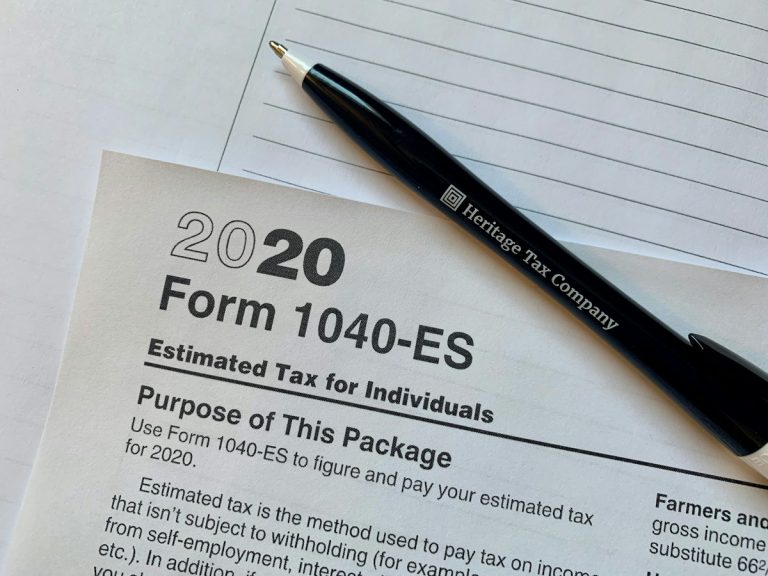
The Seed Enterprise Investment Scheme (SEIS) is a UK government initiative that allows early-stage companies to raise up to £250,000 in equity investment while giving individual investors up to 50% income tax relief. Designed by HM Revenue & Customs (HMRC), SEIS substantially de-risks seed-stage backing by providing loss relief, capital gains exemptions, and reinvestment discounts on qualifying investments. For UK founders, securing SEIS advance assurance is the single most effective way to turn cautious angel investors into active financial backers.
What Is SEIS Startup Investment and Why Does It Matter?
Raising pre-seed and seed funding can feel like running uphill in heavy boots. Most private investors love early ideas, but they fear the brutal statistical reality of startup failure. The UK government created SEIS back in 2012 specifically to fix that friction. By halving an angel backer’s net financial exposure through tax relief, SEIS makes backing your bold, unproven idea a sensible portfolio bet. If your early-stage company needs runway to hire engineers, validate an MVP, or prove product-market fit, mastering this framework changes everything.
For investors, SEIS offers an unrivalled suite of personal tax benefits. You get 50% income tax relief upfront, zero capital gains tax when you sell your shares after three years, and robust loss protection if the business winds down. Savvy angel syndicates hunt for opportunities that meet these exact rules. If you are preparing to raise or deploy seed capital, you can Learn about SEIS opportunities and discover vetted, early-stage UK ventures directly.
How Does the Seed Enterprise Investment Scheme Work?
At its core, SEIS is a direct regulatory bridge connecting risk-tolerant private investors with early-stage British founders. Instead of debt or convertible notes, investors buy new, full-risk ordinary shares in your business. In exchange for putting their capital at genuine commercial risk, HMRC grants them tax reductions that offset their personal tax bills.
To qualify for a SEIS startup investment, a company must satisfy strict statutory limits laid down by HMRC:
- Trading Age: Your business must have carried out commercial trade for less than three years at the time the shares are issued. If you incorporated four years ago but spent the first two years purely in research and development without commercial transactions, your clock starts from your first commercial invoice.
- Gross Asset Cap: Your company must not possess more than £350,000 in gross assets immediately before the investment round closes.
- Team Size: You must employ fewer than 25 full-time equivalent staff members when the shares are issued.
- Qualifying Trade: Your trade must be commercial and run with a view to profit. Most digital, technology, retail, and manufacturing ventures qualify easily. HMRC excludes activities such as property development, banking, insurance, legal services, leasing, and operating hotels.
- UK Permanent Establishment: Your company must have a genuine operational base in the UK, such as a physical office, staff, or ongoing local operations.
- Independence: Your startup cannot be controlled by another company, nor can it control other non-qualifying corporate entities.
When a company complies with these conditions, the investor receives certificates from HMRC that translate into substantial cash savings on their self-assessment tax returns.
What Tax Reliefs Do SEIS Investors Receive?
Why do UK angel investors ask for SEIS qualification within the first sixty seconds of a pitch? The answer lies in personal tax efficiency. When combined, the statutory reliefs create one of the most generous early-stage tax packages in the world.
50% Income Tax Relief
Qualifying UK taxpayers can claim back 50% of their investment value against their income tax bill for the current tax year. The annual allowance allows individuals to invest up to £200,000 under SEIS per tax year, unlocking up to £100,000 in direct tax reductions.
What happens if an investor does not have sufficient tax liability in the current tax year? HMRC permits a carry-back facility. Investors can apply all or part of the relief to the previous tax year, provided they have unused allowance for that earlier period. For instance, an individual investing £30,000 can reduce their personal tax bill by £15,000 immediately.
Complete Capital Gains Tax Exemption
If the startup succeeds and an investor sells their shares for a major multiple, the entire profit is 100% exempt from UK Capital Gains Tax (CGT). The only statutory condition is that the investor must have held the shares for at least three full years from the date of issue and must have claimed income tax relief on them. If a £20,000 angel investment turns into £250,000 at acquisition, the £230,000 profit incurs zero capital gains tax.
CGT Reinvestment Relief
High-net-worth investors often generate capital gains by selling property, company shares, or listed equities. If an investor realises a chargeable capital gain and reinvests that money into SEIS-qualifying shares within the same tax year, they receive 50% CGT exemption on that original gain. This makes backing early-stage ventures via Tax saving investments a strategic wealth-management tool for angel investors.
Loss Relief for Downside Protection
Early-stage ventures carry undeniable failure rates. If an SEIS startup fails or winds up, HMRC softens the landing through loss relief. An investor can offset the net capital loss (calculated as the total initial investment minus the 50% income tax relief already received) against their income tax or capital gains tax.
For an investor in the 45% additional tax bracket, the math is compelling:
- Initial cash investment: £10,000
- Upfront 50% income tax relief claimed: £5,000
- Remaining capital at risk: £5,000
- Loss relief claimed at 45% on the remaining £5,000: £2,250
- Total tax saved: £7,250
- Net out-of-pocket financial loss: £2,750 (only 27.5p per £1 invested)
This downside shield is why angels are willing to back high-risk seed ventures that would otherwise look too dangerous.
SEIS vs EIS: What Are the Key Differences?
Founders frequently confuse the Seed Enterprise Investment Scheme with its older sibling, the Enterprise Investment Scheme (EIS). While both share common DNA, they serve different phases of business growth. SEIS is targeted strictly at early seed stages, whereas EIS finances scale-up activity.
| Scheme Rule / Feature | SEIS (Seed Scheme) | EIS (Growth Scheme) |
|---|---|---|
| Maximum Trading Age | Under 3 years trading | Under 7 years (10 for KIC) |
| Maximum Lifetime Funding | £250,000 | £12,000,000 (£20m for KIC) |
| Pre-Investment Asset Cap | £350,000 gross assets | £15,000,000 gross assets |
| Staff Size Limit | Under 25 full-time employees | Under 250 employees (500 KIC) |
| Upfront Income Tax Relief | 50% | 30% |
| Annual Investor Limit | £200,000 | £1,000,000 (£2m for KIC) |
| Loss Relief & CGT Exemption | Yes (after 3 years) | Yes (after 3 years) |
Most founders begin by exhausting their £250,000 SEIS limit. Once that threshold is reached, or once the company matures past the three-year trading mark, companies graduate to larger rounds using EIS startup investment frameworks.
Step-by-Step Strategy to Fundraise Under SEIS
Attracting private angel capital requires a systematic plan. You cannot simply build a slide deck, claim SEIS eligibility, and wait for money to land in your business bank account. Follow these practical steps to run an efficient round.
1. Secure HMRC Advance Assurance
Do not start pitching external angels without Advance Assurance. Advance Assurance is an official compliance opinion from HMRC stating that, based on your current business model, cap table, and corporate setup, your proposed share issue qualifies for SEIS tax relief.
To apply, you submit your draft business plan, financial model, articles of association, details of prospective investors, and form details through HMRC’s online portal. While Advance Assurance is not technically mandatory by law, seasoned angel investors rarely write cheques without it. It removes tax ambiguity and proves your company is legally prepared.
2. Craft a Tight, Metric-Driven Pitch Deck
Tax breaks get angels into the room, but strong fundamentals close the cheque. Sophisticated private backers evaluate your commercial viability first and treat tax relief as a bonus. Make sure your pitch deck addresses:
- The Exact Problem: What broken workflow, inefficient consumer habit, or enterprise bottleneck are you fixing?
- Unit Economics: How much does it cost to acquire a customer, and what is their projected lifetime value?
- Capital Allocation: Exactly how will you spend the £250,000 seed round across the next 12 to 18 months?
- Traction Milestones: What tangible commercial goals (paying pilot customers, monthly recurring revenue, active users) will this seed funding hit before you need an EIS or venture capital round?
3. Connect via Modern Commission-Free Marketplaces
Founders historically relied on private introductions, pricey corporate finance intermediaries, or local angel syndicates that charge steep success fees. Giving away 5% to 8% of your seed capital in broker fees drains the exact cash reserves you need for software engineers or market testing.
Using the Oriel Investment Marketplace changes this dynamic. By operating on a clear, subscription-based model rather than charging round commissions, early-stage businesses keep every single pound they raise from backers. Founders can Showcase your startup to an active network of private investors who actively seek tax-efficient early-stage opportunities.
4. Involve Your Accountant and Legal Adviser Early
SEIS rules are strict and unforgiving. Issuing shares with liquidation preferences or failing to submit filings on time can permanently destroy tax relief for your backers. Smart founders partner with qualified finance practices early in the round.
Accountants handle cap table structuring, draft ordinary share documentation, and submit compliance forms accurately. Working with professional firms ensures your team avoids rookie errors. Independent accountants can also Grow your advisory network by accessing streamlined fundraising tools that help their early-stage clients stay fully compliant.
Common Mistakes That Ruin SEIS Eligibility
Founders make simple mistakes every month that invalidate their SEIS status. HMRC enforces these statutes rigorously, and appeals rarely succeed when rules are breached. Keep a sharp eye on these potential traps:
Issuing Shares Before Capital Is Received
Under HMRC rules, an investor must transfer cleared funds into the company bank account before the shares are formally issued and entered into the register of members. If your board issues shares on Monday and the investor wires the money on Wednesday, those shares cannot qualify for SEIS. The investment must represent paid-up cash shares.
Granting Preferential Share Rights
SEIS shares must be full-risk ordinary shares. They cannot carry preferential rights to company dividends, nor can they guarantee asset returns if the business enters liquidation. If an angel asks for preferred shares with liquidation multiples, explain that doing so eliminates their 50% income tax relief.
Miscalculating the Three-Year Commercial Trading Window
Your three-year SEIS clock starts ticking the moment your business carries out any trading activity, not on the date your company was incorporated at Companies House. Commercial activity includes taking pre-orders, issuing client invoices, or generating beta revenue. If you ran paid experiments for three years and one month, you can no longer raise under SEIS. You must instead look toward EIS.
The 30% Substantial Interest Rule
An investor cannot hold a “substantial interest” in your company if they want to claim SEIS relief. In practical terms, an investor (along with their associates, including spouses, parents, and children) cannot control more than 30% of the company’s ordinary share capital, voting rights, or assets upon winding up. Founders and majority stakeholders cannot invest in their own businesses under SEIS.
Missing the SEIS1 Compliance Filing Deadline
Once your funding round closes and your company has traded for at least four months (or spent at least 70% of the funds raised), you must submit a formal SEIS1 compliance statement to HMRC. After HMRC processes your submission, they supply your official SEIS3 certificates, which you distribute to your investors so they can claim their relief. The statutory deadline for submitting your SEIS1 is two years from the end of the tax year in which the shares were issued, or two years from the date you began trading. Missing this deadline revokes investor relief entirely.
Pitching SEIS to Angel Investors: How to Frame the Deal
When presenting your startup to potential investors, you should frame your opportunity through the lens of calculated risk and upside potential. Here is how seasoned founders position SEIS during pitch conversations:
- Lead with Commercial Ambition: Pitch your product, team, and commercial market opportunity first. Angels back businesses that can grow ten-fold, not just businesses that save them tax.
- Present Advance Assurance as Standard Hygiene: Mention early in your deck that you hold HMRC Advance Assurance. It immediately signals that your legals are clean and your team is commercially literate.
- Highlight Capital Preservation: Remind your investors that between 50% income tax relief and capital loss relief, their net downside exposure is limited to 27.5% of their total cheque size.
- Emphasize Capital Efficiency: Explain that by raising on commission-free platforms like the Oriel Investment Marketplace, zero investor capital is wasted on platform cut fees or intermediary cuts.
- Point Toward a Clear Exit Horizon: Highlight that after three years, their capital gains are completely tax-free, creating an attractive return profile if the startup is acquired or achieves an IPO.
Frequently Asked Questions About SEIS Startup Investment
Can startup founders invest in their own company through SEIS?
No. Founders or business owners holding more than a 30% stake in the business (including shares held by their direct family members) are barred by HMRC’s substantial interest rules from claiming SEIS tax relief on their own shares.
Can company directors claim SEIS tax relief?
Yes, but with strict conditions. Unlike EIS (which broadly prevents existing paid directors from investing under the scheme), SEIS allows directors to hold shares and claim tax relief, provided they do not breach the 30% substantial interest rule. The director can be an active, hands-on board member.
How long must an investor hold SEIS shares to keep their tax relief?
Investors must hold their qualifying SEIS shares for a minimum of three years from the date of issue. If the investor sells, transfers, or redeems the shares before this three-year period expires, HMRC will claw back the upfront income tax relief, and any capital gain will be subject to standard taxation.
What happens if our company spends SEIS money on excluded activities?
If your company raises SEIS capital and subsequently pivots to an excluded commercial activity (such as property development, speculative financial trading, or leasing), HMRC can disqualify the shares and claw back the tax reliefs claimed by your investors. Always verify business model adjustments with your tax adviser.
Can our business raise SEIS and EIS funding in the same round?
Yes, but the order of share issuance matters. You must issue the SEIS shares on a different day or earlier than your EIS shares. Under statutory rules, you must fully exhaust your £250,000 lifetime SEIS limit before or concurrently as you raise growth capital under EIS. Issuing EIS shares first can void your eligibility for the SEIS portion.
Take the Next Step in Your Fundraising Journey
Navigating early-stage equity funding does not have to be an administrative maze. When you combine HMRC Advance Assurance, clean share agreements, and clear investor materials, the Seed Enterprise Investment Scheme becomes your most powerful lever to unlock private capital.
Avoid high platform fees and maintain total control over your cap table. Whether you are an ambitious founder ready to launch your first investment round or an angel backer seeking curated early-stage opportunities, the right platform makes every stage of the journey clear and efficient.
Ready to get started? If you are an active investor looking to back high-growth British ventures, explore our platform to Discover startup opportunities, or if you are ready to manage your funding pipeline, Log in to the investment hub to connect directly with ambitious founders across the UK today.