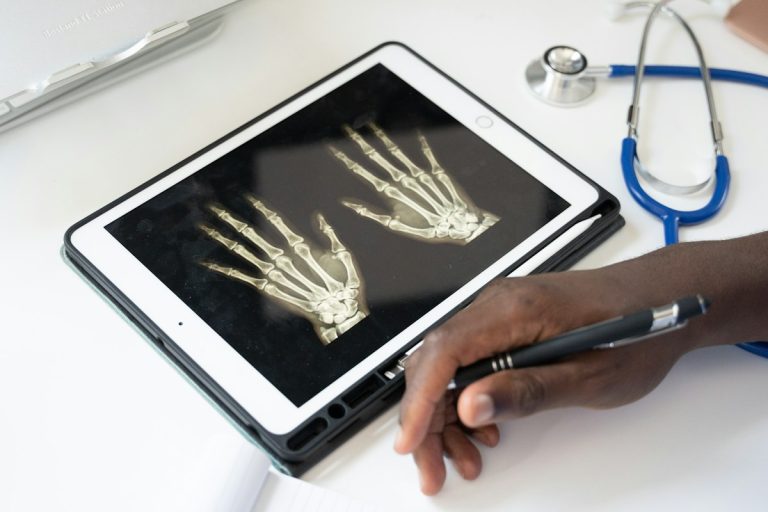
The New Horizon for UK HealthTech Funding
Building a medical startup in the UK is bloody tough. You have built a working prototype, secured initial academic grants, and proved your medical tech actually saves lives or speeds up diagnosis. But then you hit a brick wall. Transitioning from lab-based research grants to commercialisation requires cash, lots of it. That is where exploring early stage seed capital opportunities becomes vital for healthcare innovators looking to scale up fast.
Navigating the financial landscape does not have to mean giving up massive chunks of equity or paying extortionate commission fees to middleman platforms. By tapping into government backed schemes like the Seed Enterprise Investment Scheme (SEIS) and Enterprise Investment Scheme (EIS), founders can connect directly with UK angel investors who are actively searching for tax efficient deals. Platforms like Oriel IPO are turning this model on its head by removing success commissions entirely, making it easier than ever to secure vital funding while keeping your hard earned equity intact. If you are looking to take your startup to the next stage, explore how to start revolutionising investment opportunities in the UK without breaking the bank.
Bridging Academic Grants and Private Seed Money
Research grants are brilliant. Organisations like ASTRO, UKRI, and various cancer research bodies provide millions every year to fund early radiation oncology, diagnostic tools, and biotech breakthroughs. But let us be honest for a second: grant money comes with heavy strings attached and strict spending limits. Worse, grant money rarely pays for commercial marketing, scaling sales teams, or legal fees for international expansion.
When grant dollars run out, you enter what industry insiders call the “Valley of Death.” You need private equity to cross that bridge.
- Grant funding validates your clinical science.
- Private seed capital validates your commercial business model.
- Combining both gives private investors the confidence that your technology actually works.
To bridge this gap effectively, medical entrepreneurs must turn grant backed credibility into investor pitch decks. Angels love seeing that scientists have already secured non-dilutive research funding, but they need a clear tax incentive to risk their own wealth on early commercialisation. That is why understanding how to raise a SEIS startup investment is often the single most important step for an early stage HealthTech founder.
Why SEIS and EIS are the Secrets to HealthTech Success
The UK tax system offers two of the most aggressive, investor friendly tax relief schemes in the world: SEIS and EIS. If you are pitching to British angel investors without offering SEIS or EIS tax relief, you are basically playing on hard mode.
Why do these schemes matter so much for HealthTech? Simple: risk reduction.
Healthcare startups carry long regulatory pathways and high early stage risk. Under SEIS, an investor can claim up to 50% income tax relief on their investment, alongside capital gains relief. If the business fails (it happens), loss relief brings their actual cash risk down to pennies on the pound.
For Knowledge Intensive Companies (KICs) like medical research spin-outs, the EIS limits are even higher, allowing you to raise up to £12 million per year. By leveraging these government incentives, founders can pitch a high-upside medical product with a massively reduced risk profile for the investor. Take time to understand EIS tax relief inside out before you book your next investor meeting.
Cutting Out the Middleman: The Commission-Free Advantage
If you have ever looked into traditional equity crowdfunding platforms like Seedrs or Crowdcube, you already know the catch. They charge 6% to 7.5% in platform success fees, plus payment processing fees, legal administration fees, and campaign setup costs. On a £250,000 seed round, you could easily lose £20,000 or more just to close the deal.
That is money that should be going into clinical trials, hiring software engineers, or securing patent protections.
Oriel IPO changes this dynamic completely with a commission-free model. Instead of taking a massive bite out of your funding round, the platform operates on clear, transparent subscription plans. Founders keep 100% of the funds raised.
When you look for top seed capital opportunities, saving £20k in fees means extending your runway by two or three crucial months. For a bootstrapped HealthTech team, those extra months can be the difference between getting regulatory approval or running out of cash. Founders who want to take control of their raise can raise startup investment directly on a marketplace designed to put early stage teams first.
How Investors and Accountancy Practices Gain an Edge
It is not just founders who struggle with early stage capital matching. Angel investors and wealth managers spend countless hours sorting through terrible pitch decks to find genuine, high quality deals. Meanwhile, accountancy practices are constantly asked by wealthy private clients for tax efficient investment recommendations.
Oriel IPO serves as a curated matchmaker for the ecosystem:
- Vetted Pitch Opportunities: Investors do not have to sift through unverified ideas. Pitches are curated for SEIS/EIS eligibility.
- Accountant Friendly Workflows: Tax advisers and accountants can actively guide their private clients towards tax efficient opportunities without administrative headache.
- Direct Investor Connections: No complex nominee structures hiding who your actual shareholders are. You build real relationships with high-net-worth supporters.
Angels seeking high-growth medical, digital health, or life science startups can easily discover startup opportunities that fit strict tax relief criteria. At the same time, forward thinking accountancy firms can help clients with SEIS and EIS strategies, positioning themselves as growth partners rather than basic tax filers.
Navigating the Early-Stage Fundraising Journey
Ready to raise your seed round? Do not jump straight to blasting cold emails on LinkedIn. You need a structured approach to land high value angel investors.
Step 1: Secure Advance Assurance
Before asking for a single pound, apply to HMRC for SEIS/EIS Advance Assurance. This proves to prospective investors that your business qualifies for tax relief. Without this paper, most serious UK angels will not even open your deck.
Step 2: Prepare Your Financials and Data Room
Healthcare investors care deeply about intellectual property (IP), regulatory pathways (CE marks, FDA approvals), and clear unit economics. Organise your financial model, clinical research summaries, and cap table in a clean digital folder.
Step 3: Craft a Problem-First Pitch Deck
Keep it under 12 slides. Start with the clinical or systemic health problem, introduce your solution, show your IP moat, and explain why your team is qualified to build it.
Step 4: Showcase Your Deal on a Curated Marketplace
Instead of waiting for word of mouth, list your venture where active UK investors are looking. Using specialized tools, you can access the Oriel IPO Hub to present your proposition clearly, outline your tax relief status, and start building your investor network immediately.
Empowering the Future of Healthcare Innovation
The UK HealthTech sector is packed with brilliant scientific minds, but great science fails without smart capital. Relying solely on grant applications will slow down your go-to-market plan, while legacy crowdfunding platforms strip away equity through excessive commission rates.
By taking advantage of SEIS and EIS tax reliefs and utilizing transparent, commission-free investment marketplaces, medical innovators can raise the funds they need on their own terms. Whether you are an academic researcher spinning out your first digital health tool, a founder ready to commercialise a medical device, or an angel investor looking for high impact deals, the modern funding ecosystem is finally built to support your growth.
Ready to discover better ways to fund your vision? Take the next step and explore tax-efficient seed capital opportunities today to power your startup’s future.